Sun Exposure & Polyester Labels: What Australian Managers Need to Know
16 June 2026 · polyester labels · asset tracking · durability · australia · uv resistance
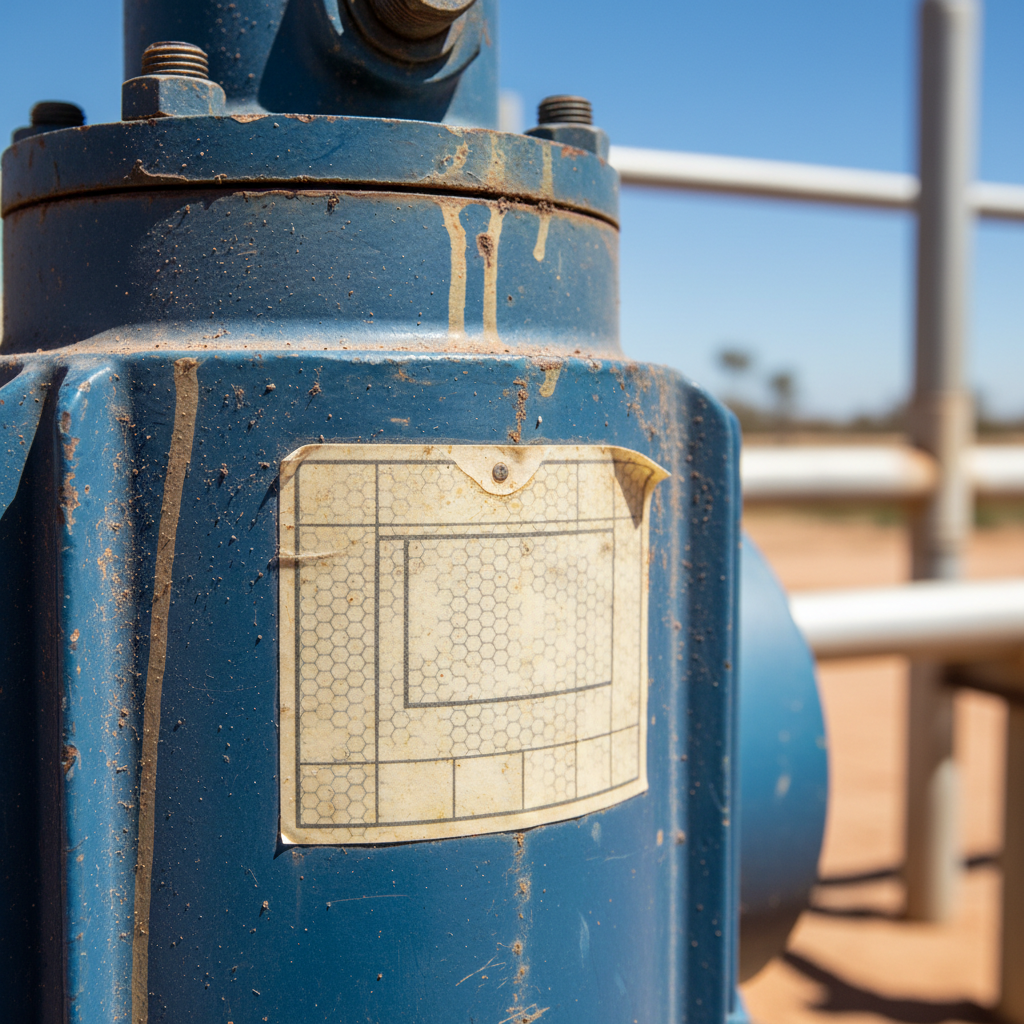
For Australian operations, facilities, and asset managers, the integrity of your asset labelling system isn't just about organisation; it's about compliance, efficiency, and accurate record-keeping. When assets are deployed outdoors, exposed to our nation's relentless sun, a critical question arises: How long do polyester asset labels really last in direct sun?
Polyester is a popular choice for industrial labels due to its inherent strength and resistance to various environmental factors. However, UV radiation, a significant component of Australia's intense sunlight, poses a unique challenge. This article will delve into the realistic lifespan of polyester labels under direct sun exposure, explain why they degrade, and provide actionable strategies to ensure your asset identification remains robust and reliable, even in the harshest conditions.
Understanding UV Degradation and Polyester Labels
Ultraviolet (UV) radiation isn't just a concern for skin; it's a powerful agent of material degradation. When UV rays continually bombard a material, they can break down its molecular bonds, leading to a loss of strength, colour fading, and brittleness. This process, known as photodegradation, is particularly aggressive in Australia due to our high UV index.
Polyester, while possessing good overall outdoor durability, is not immune to UV's effects. The polymer chains in the label material and, crucially, the chemical structure of the ink used to print the information, can be compromised over time. This leads to the classic signs of sun damage: fading text, yellowing of the label material, and eventual cracking or peeling. Understanding this fundamental process is the first step in mitigating its impact.
Realistic Lifespan Expectations in Direct Sun
There's no single, definitive answer to 'how long' because numerous variables influence a label's lifespan. However, based on industry experience and material science, we can provide realistic expectations for polyester labels exposed to direct Australian sunlight:
- Standard Polyester Labels (without UV inhibitors): These can show noticeable fading or degradation within 6 months to 1.5 years in continuous, direct Australian sun. While the label material itself might hold together longer, the printed information becomes illegible well within this timeframe.
- UV-Resistant Polyester Labels (with UV inhibitors and specialised inks): Labels specifically engineered for outdoor use, incorporating UV stabilisers in the polyester film and printed with high-durability, UV-resistant inks, can extend this lifespan significantly. You can realistically expect these to last anywhere from 2 to 5 years, potentially longer in less intense conditions or with additional protective measures.
It's important to differentiate between the label film maintaining its physical integrity and the printed information remaining legible. Often, the print fades long before the label material fails, rendering the asset tag useless for identification purposes.
Factors Influencing Polyester Label Longevity Outdoors
Beyond the inherent quality of the label and the intensity of UV, several other factors play a crucial role in how long your polyester labels will survive:
- UV Index and Climate: Regions with consistently high UV indexes (e.g., Queensland, Northern Territory, inland areas) will accelerate degradation compared to areas with lower exposure. High temperatures, when combined with UV, can also exacerbate the breakdown process.
- Adhesive Quality: A premium, aggressive permanent acrylic adhesive is essential for outdoor applications. A poor adhesive will fail long before the label material or print, leading to the label detaching.
- Application Surface and Method: Labels applied to a clean, smooth, and dry surface will adhere best and resist environmental ingress. Rough, oily, or uncleaned surfaces significantly compromise adhesion and longevity.
- Print Method and Ink Type: Thermal transfer printing with a resin ribbon generally offers superior outdoor durability and chemical resistance compared to wax/resin or wax ribbons. Digital printing with UV-curable inks also performs well.
- Presence of an Overlaminate: This is perhaps the most significant factor. Applying a clear, UV-resistant overlaminate (sometimes called a 'top-coat' or 'laminated finish') provides an additional physical barrier against UV radiation, abrasion, and chemicals, dramatically extending the lifespan of both the label material and the printed information.
Strategies to Maximise Label Lifespan in the Sun
Don't just hope for the best; implement these proactive measures to get the most out of your outdoor polyester asset labels:
- Choose UV-Resistant Materials & Inks: Specifically request polyester labels designed for outdoor use. These often contain UV inhibitors within the film and are paired with specialist, UV-stable resin ribbons or inks for printing.
- Always Use a Protective Overlaminate: This is non-negotiable for critical outdoor applications. A clear polyester or vinyl overlaminate acts as a sacrificial layer, absorbing UV radiation and protecting the print underneath. While it adds a small cost, the extended lifespan and reduced re-labelling labour typically provide a significant return on investment.
- Proper Surface Preparation and Application: Ensure the application surface is meticulously clean, dry, and free from grease, oil, or rust. Apply the label firmly, pressing out any air bubbles, to achieve maximum adhesion.
- Strategic Placement: Whenever possible, apply labels to areas that receive some degree of shade during the hottest parts of the day or are less exposed to the most intense, direct afternoon sun. Even partial shading can make a difference.
- Consider Alternative Labelling Solutions for Extreme Cases: For assets in extremely harsh, long-term outdoor environments where even laminated polyester might eventually fail (e.g., constantly abraded, extreme chemicals, decades of exposure), consider alternative options like embossed metal tags, permanent laser-etched stainless steel tags, or anodised aluminium plates, which offer unparalleled durability.
The Cost of Label Failure and Re-labelling
While a high-quality, UV-resistant, laminated polyester label might have a slightly higher upfront cost than a basic version, consider the true cost of label failure. Illegible or missing labels lead to:
- Lost Time and Productivity: Technicians and staff waste time manually identifying assets or searching for information.
- Data Inaccuracy: Incorrect asset identification can lead to errors in maintenance logs, inventory reports, and compliance documentation.
- Compliance Risks: For regulated industries, failed labels can result in non-compliance fines or audit issues.
- Increased Labour Costs: The labour involved in identifying, purchasing, generating, and re-applying new labels far outweighs the initial savings of a cheaper, less durable label.
- Reduced Asset Life Cycle Management: Without reliable identification, it's harder to track maintenance schedules, depreciation, and end-of-life planning.
Investing in the right label from the outset is a sound financial decision that protects your operational efficiency and long-term asset management strategy.
Key Takeaways for Asset Managers
- Standard polyester labels without UV protection will degrade significantly within 6 months to 1.5 years in direct Australian sunlight.
- UV-resistant polyester labels combined with protective overlaminates offer a realistic lifespan of 2-5+ years in harsh outdoor conditions.
- An overlaminate is the single most effective way to extend the lifespan of polyester labels in outdoor applications.
- Proper surface preparation and application are critical for optimal adhesion and longevity.
- Consider the true cost of label failure, which often far exceeds the upfront cost of a durable, purpose-built label solution.
- Work with an experienced Australian label manufacturer who understands our unique environmental challenges and can recommend the best material and construction for your specific outdoor asset labelling needs.
Conclusion
Polyester asset labels are an excellent choice for many industrial applications, but their performance in Australia's direct sun depends heavily on specification and protection. For operations, facilities, and asset managers, the key takeaway is clear: don't compromise on quality when assets are exposed to the elements. By selecting UV-resistant polyester materials, insisting on robust overlaminates, and ensuring proper application, you can significantly extend the lifespan of your labels, maintain accurate asset tracking, and avoid the costly cycle of premature re-labelling. Investing wisely upfront ensures your asset identification system remains a reliable tool, not a constant maintenance headache, even under our strong Australian sun.
Need labels for your assets?
Design online and we'll print, cut and ship from Australia.
Design a label