
Serialised Metal Tags: Simplify Asset Depreciation in Australia
11 September 2026 · asset tracking · depreciation · metal tags · asset management · auditing
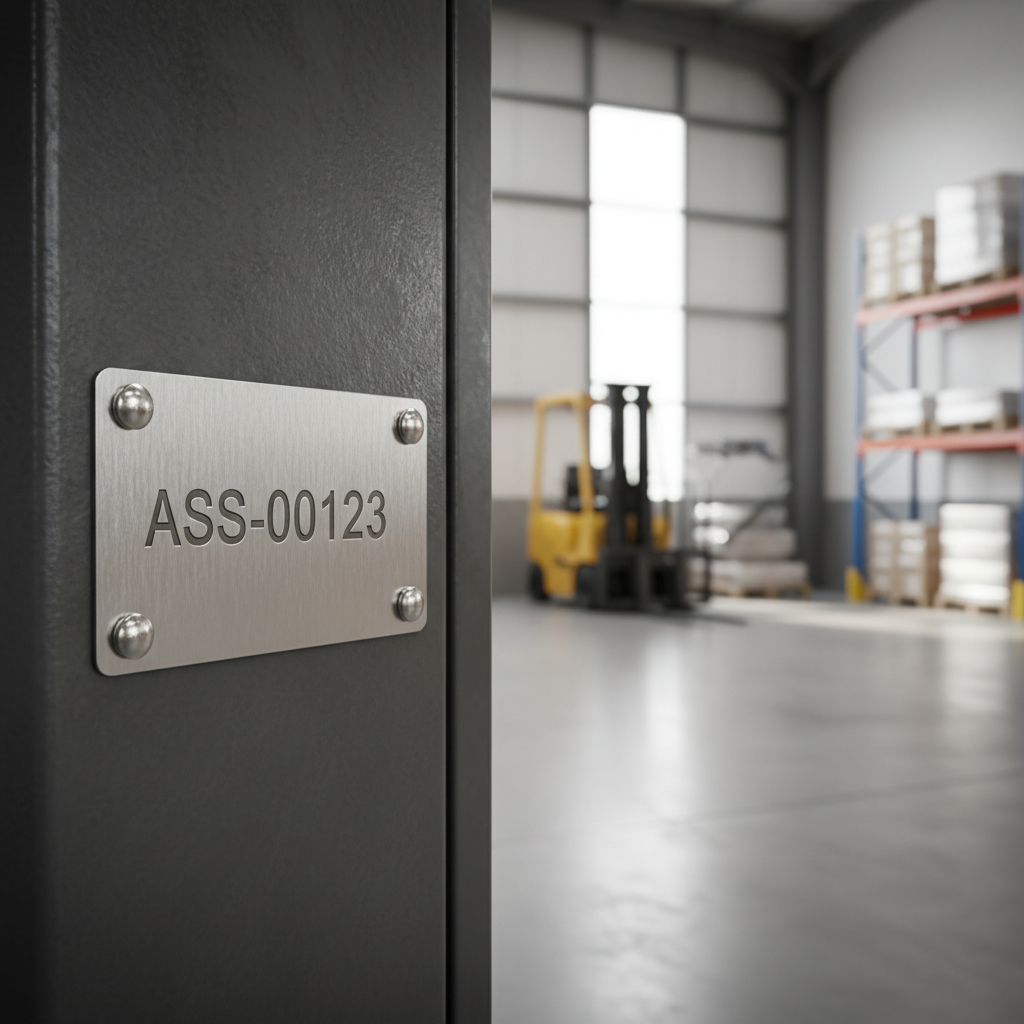
For Australian operations, facilities, and asset managers, managing fixed assets isn't just about maintenance; it's about accurate financial reporting. A critical component of this is asset depreciation. Getting it right ensures compliance, optimises tax reporting, and provides a true picture of your company's financial health. But let's be honest: manually tracking assets for depreciation can be a headache, prone to errors, and time-consuming. This is where a simple, yet robust solution comes in: serial-numbered metal asset tags.
This article will explore how these durable tags simplify the depreciation process, improve accuracy, and bring peace of mind to your Australian business.
The Challenge of Accurate Asset Depreciation
Depreciation is the accounting method used to allocate the cost of a tangible asset over its useful life. In Australia, the Australian Taxation Office (ATO) has specific rules and methods (like diminishing value or prime cost) that businesses must follow. Incorrect depreciation can lead to overstated profits, incorrect tax liabilities, and potential audit complications. Many businesses grapple with several common issues:
- Missing or Lost Assets: Without clear identification, assets can disappear from inventory, yet still be on the books, skewing depreciation calculations.
- Manual Tracking Errors: Hand-written logs or spreadsheets are susceptible to typos, outdated information, and inconsistent data entry.
- Difficulty with Physical Verification: Locating and identifying specific assets during an audit or inventory check can be incredibly time-consuming without a reliable identification system.
- Inconsistent Data: Different departments or personnel might use varying methods to identify assets, leading to fragmented and unreliable data.
These challenges aren't just administrative; they have a direct impact on your bottom line and regulatory compliance.
How Serial-Numbered Metal Tags Provide a Solution
Metal asset tags, each engraved or etched with a unique serial number, act as a permanent, physical identifier for every piece of equipment, machinery, or vehicle. This seemingly simple tag is a powerful tool for streamlining asset management, especially when it comes to depreciation.
Imagine having a unique, unalterable identifier physically attached to every asset from the moment it enters your inventory until it's retired. This serial number becomes the direct link between the physical asset and its digital record in your asset management system. It's the cornerstone of accurate, auditable asset tracking, making the depreciation process significantly easier and more reliable. These tags are designed for the harsh Australian industrial environment, ensuring they remain legible and attached for the asset's entire lifecycle.
Streamlined Asset Identification and Tracking
The core benefit of serial-numbered tags is their ability to uniquely identify each asset. This goes beyond just recognising a piece of equipment; it's about providing an unequivocal link to its financial and operational history. For depreciation purposes, this means:
- Easy Linking to Records: A quick scan or manual entry of the serial number instantly pulls up the asset's purchase date, cost, depreciation method, useful life, and current book value. No more guessing or searching through disparate files.
- Accurate Inventory Audits: During physical stocktakes, the serial number confirms you're looking at the correct asset, eliminating confusion between similar-looking items. This ensures that assets on your books actually exist and are accounted for.
- Reduced Ghost Assets: By regularly verifying physical assets against your records using the serial numbers, you can quickly identify and remove 'ghost assets' – items that are on your balance sheet but no longer exist physically. This prevents you from continuing to depreciate assets that have been scrapped, sold, or are simply missing.
This level of precision is invaluable when dealing with the ATO's depreciation requirements.
Enhanced Data Accuracy and Compliance
When each asset has a permanent, unique identifier, the integrity of your data improves dramatically. This directly impacts your ability to meet compliance obligations and make sound financial decisions.
- Minimised Manual Errors: With a scannable serial number (if you use barcodes or QR codes on your tags), data entry errors are drastically reduced. Even with manual entry, the unique number provides a strong reference point that’s less prone to human interpretation errors than descriptive names alone.
- Consistent Reporting: All departments – from operations to finance – can refer to the same serial number, ensuring a single source of truth for each asset. This consistency is crucial for generating accurate depreciation reports and financial statements.
- Simplified ATO Compliance: When the ATO or auditors request information on your fixed assets, you can swiftly provide precise, verified data. The physical tag provides irrefutable evidence of the asset's existence and identity, supporting your depreciation claims.
Meeting compliance requirements becomes less of a burden and more of a systematic process.
Durability for the Australian Environment
Australian industrial environments are tough. From scorching heat and UV exposure to corrosive chemicals and heavy-duty wear and tear, asset tags need to withstand a lot. Unlike adhesive labels that can peel, fade, or get damaged, industrial-grade metal tags are built to last.
- Longevity: Made from materials like anodised aluminium, stainless steel, or brass, these tags resist abrasion, chemicals, extreme temperatures, and UV radiation. This means your asset's identification remains legible for its entire service life, often outlasting the asset itself.
- Secure Attachment: Typically affixed with rivets, screws, or industrial-strength adhesives, metal tags are difficult to remove accidentally or intentionally, ensuring the unique serial number stays with the correct asset.
This inherent durability is essential for long-term asset management and reliable depreciation tracking over many years.
Easy Integration with Asset Management Systems
The real power of serial-numbered tags comes when they are integrated with an asset management or enterprise resource planning (ERP) system. Many modern metal tags incorporate barcodes or QR codes alongside the human-readable serial number.
- Seamless Data Capture: Using a handheld scanner, you can quickly and accurately capture asset data directly from the tag. This speeds up inventory checks, audits, and maintenance logging.
- Automated Updates: Scan an asset for a depreciation update, maintenance event, or relocation, and the system can automatically update its status and related financial records.
- Improved Decision Making: With reliable, up-to-date data, managers can make informed decisions about asset utilisation, replacement schedules, and capital expenditure planning, all influenced by accurate depreciation insights.
This integration transforms asset tracking from a manual chore into an efficient, data-driven process.
Key Takeaways for Australian Managers
- Unique Identification: Serial-numbered metal tags provide an unalterable, unique identifier for every asset.
- Accuracy for ATO Compliance: Streamline depreciation calculations and ensure accurate financial reporting, crucial for ATO regulations.
- Reduce Errors: Minimise manual data entry mistakes and eliminate 'ghost assets' from your books.
- Durable & Reliable: Industrial-grade metal tags withstand harsh Australian conditions for the life of the asset.
- Seamless System Integration: Enhance asset management software with quick, accurate data capture using barcodes or QR codes.
- Optimise Audits: Facilitate faster, more precise physical inventory checks and external audits.
Conclusion
For Australian operations, facilities, and asset managers, accurate asset depreciation isn't just good accounting practice; it's a cornerstone of financial integrity and regulatory compliance. Serial-numbered metal asset tags offer a robust, practical, and long-lasting solution to the common challenges of asset tracking. By providing a permanent, unique link between your physical assets and their digital records, these tags simplify audits, enhance data accuracy, reduce errors, and ultimately make the complex process of asset depreciation significantly easier and more reliable. Invest in quality metal tags today and transform your asset management tomorrow.
Need labels for your assets?
Design online and we'll print, cut and ship from Australia.
Design a label