Serialised Labels: The Key to a Scalable Fixed Asset Register
14 July 2026 · asset tracking · fixed asset management · serialised labels · asset register · industrial labels
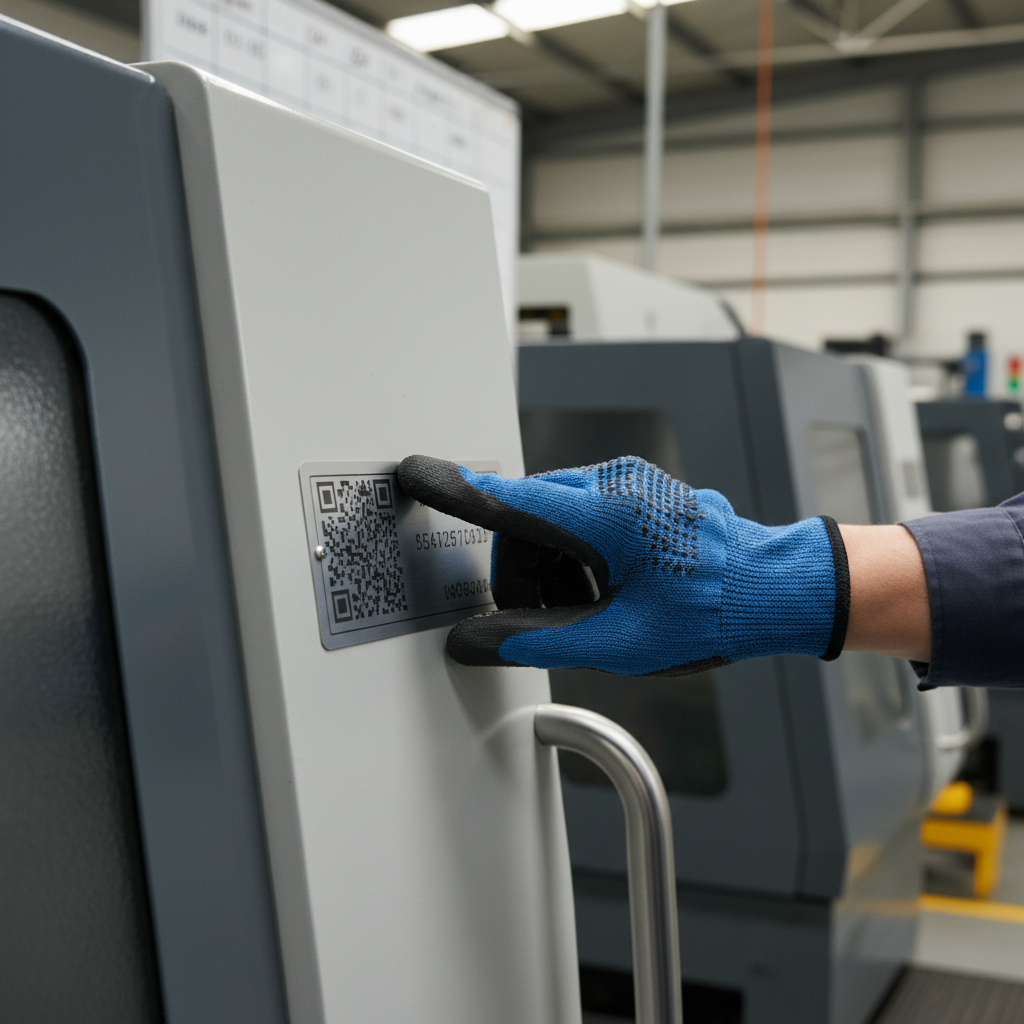
For Australian operations, facilities, and asset managers, maintaining an accurate and scalable fixed asset register isn't just about good bookkeeping – it's fundamental to operational efficiency, compliance, and financial accuracy. While spreadsheets and manual inventory methods might work for small ventures, they quickly become unmanageable as your asset base grows. This is where serialised asset labels step in, offering a robust, future-proof solution for tracking everything from forklifts to factory automation.
This article will delve into why serialised asset labels are indispensable for building a fixed asset register that truly scales with your business. We'll explore their benefits, practical implementation, and how choosing the right label can save you significant time and money in the long run.
What are Serialised Asset Labels?
At its core, a serialised asset label is a physical marker, affixed to an asset, that carries a unique identifier – typically a sequential serial number, often paired with a barcode or QR code. This unique identifier acts as the asset's digital fingerprint, linking the physical item directly to its digital record within your fixed asset register software or database. Unlike generic labels, each serialised label is unique, ensuring no two assets share the same identifying mark.
The power of serialisation lies in this uniqueness. It allows for precise one-to-one tracking, eliminating ambiguity about which specific asset you're dealing with. Whether you have 50 assets or 50,000, a serialised label provides an unambiguous reference point for each one, facilitating accurate data capture and system updates. This foundational level of detail is crucial for any organisation serious about optimising its asset management processes.
Why Serialised Labels are Critical for a Scalable Register
Imagine managing thousands of assets across multiple sites with generic labels or, worse, no labels at all. The potential for error, duplication, and lost information is enormous. Serialised labels directly address these challenges, laying the groundwork for a truly scalable fixed asset register.
They create an immutable link between the physical asset and its digital record. When an asset moves, is serviced, or depreciates, scanning its unique serialised label instantly pulls up its complete history, allowing for quick, accurate updates. This eliminates the guesswork often associated with manual identification or deciphering faded, generic labels. For a growing business, this efficiency isn't just a convenience; it's a necessity for maintaining accurate records without exponentially increasing administrative burden.
Enhanced Accuracy and Reduced Errors
One of the primary benefits of incorporating serialised labels into your asset management strategy is the dramatic improvement in data accuracy. Human error is a significant factor in inventory discrepancies; misreading numbers, transposing digits, or mistakenly identifying similar assets can lead to a cascade of inaccuracies in your fixed asset register.
Serialised labels, especially when combined with barcode or QR code scanning technology, virtually eliminate these manual errors. A quick scan captures the precise, unique identifier, ensuring that the correct asset record is accessed and updated every single time. This accuracy is vital for financial reporting, auditing, maintenance scheduling, and compliance with various regulatory requirements like those from the ATO or industry-specific standards. By reducing errors, you save not only time but also avoid potential financial penalties and operational disruptions.
Streamlined Inventory and Audit Processes
Conducting regular asset audits can be a time-consuming and disruptive task. For an organisation with hundreds or thousands of assets, a complete physical inventory can take days or even weeks. Serialised asset labels significantly streamline this process, making it faster, more efficient, and less prone to inaccuracies.
With a handheld scanner, staff can rapidly scan assets in situ, instantly updating their location and status within the central fixed asset register. This 'scan-and-go' approach drastically cuts down audit times, minimises operational downtime, and provides near real-time visibility of asset locations. Furthermore, for compliance and financial audits, having a clearly labelled and easily auditable asset base provides confidence and reduces the effort involved in demonstrating due diligence.
Improved Maintenance and Lifecycle Management
Effective asset management extends beyond just knowing where an asset is; it involves tracking its performance, maintenance history, and overall lifecycle from acquisition to disposal. Serialised labels are crucial for robust maintenance and lifecycle management.
When a technician needs to service a piece of equipment, scanning its serialised label immediately brings up its maintenance schedule, past repairs, and specific component details. This ensures the right parts are ordered, the correct procedures are followed, and a comprehensive service history is maintained. Over the asset's lifespan, this detailed data facilitates informed decisions on repair-vs-replace, optimises preventative maintenance schedules, and helps calculate realistic depreciation for financial planning. Without this unique identifier, correlating maintenance records reliably across a large fleet of similar assets becomes a constant challenge.
Choosing the Right Serialised Labels for Your Needs
Not all serialised labels are created equal, especially in demanding Australian industrial environments. The effectiveness and longevity of your asset tracking system critically depend on selecting labels that can withstand the specific conditions they'll encounter.
Durability is Key
Consider the environment: will your labels be exposed to extreme temperatures, harsh chemicals, abrasion, UV radiation, or frequent cleaning? Materials like anodised aluminium, stainless steel, or durable polyester with strong adhesive backings are essential for longevity. Laser-etched or sub-surface printed labels offer superior resistance to fading and damage compared to surface-printed options. For outdoor assets, UV-stabilised laminates are a must to prevent sun degradation.
Readability and Data Density
The choice between barcodes, QR codes, or human-readable serial numbers depends on your scanning equipment and data requirements. Barcodes (like Code 128 or Code 39) are widely used, while QR codes can store more information, including URLs or complex data strings. Ensure the labels are printed with high contrast and resolution to guarantee reliable scanning, even after some wear and tear. Your supplier should be able to advise on the best symbology for your specific system.
Customisation and Integration
Can the labels be customised with your company logo, specific numbering sequences, or even incorporate RFID capabilities for advanced tracking? A good label supplier will offer options for bespoke designs and provide labels that integrate seamlessly with your existing asset management software, reducing implementation headaches. Discuss your current and future asset tracking needs with your supplier to ensure the labels you choose are a scalable solution.
Key Takeaways for Australian Operations Managers
- Serialised labels are non-negotiable for scalability: They provide a unique identifier for every asset, making growth manageable.
- Accuracy is paramount: Eliminate human error in asset identification and data entry with scannable labels.
- Streamline audits: Drastically reduce the time and effort required for physical inventory checks.
- Optimise maintenance: Ensure precise service histories and better lifecycle management for all assets.
- Invest in durability: Choose labels designed for your specific operating environment to ensure longevity and readability.
- Plan for integration: Select labels and a system that can work seamlessly with your existing or future asset management software.
Conclusion
Building a fixed asset register that not only meets current needs but also scales with your organisation's growth is a strategic imperative for any discerning Australian operations, facilities, or asset manager. Serialised asset labels are the foundational element of such a system. They provide the accuracy, efficiency, and data integrity needed to manage your valuable assets effectively, from acquisition to disposal.
By investing in high-quality, durable serialised labels, you're not just buying a sticker – you're implementing a critical component of a robust, future-proof asset management strategy. This leads to better decision-making, reduced operational costs, enhanced compliance, and ultimately, a more efficient and profitable business.
Need labels for your assets?
Design online and we'll print, cut and ship from Australia.
Design a label