Rated-Load & Inspection Tags: Plant Hire Compliance in Australia
31 May 2026 · plant hire · regulatory compliance · australian standards · asset management · safety tags
For operations, facilities, and asset managers in Australia's plant hire sector, safety isn't just good practice – it's the law. Every piece of equipment, from forklifts to mobile cranes, demands meticulous attention to safety standards. A key part of this ongoing responsibility involves understanding and correctly utilising rated-load and inspection tags. These unassuming labels are fundamental to regulatory compliance, risk management, and ultimately, worker safety.
This article will delve into Australia's regulatory landscape for plant hire, highlight the critical role of these tags, and provide practical advice on how to implement robust tagging and inspection protocols. Our aim is to demystify compliance, ensuring your plant hire operations run smoothly, safely, and without penalty.
Understanding Australia's Regulatory Framework for Plant Hire
Australia's work health and safety (WHS) laws are primarily governed by the Model WHS Act and Regulations, which have been adopted by most states and territories. These regulations place a significant onus on 'Persons Conducting a Business or Undertaking' (PCBUs) – including plant hire companies – to ensure the safety of their workers and others who might be affected by their work.
Specifically, the WHS Regulations detail requirements for plant, including its design, manufacture, inspection, maintenance, and safe operation. Key among these are the obligations related to plant inspection and the display of critical information. Failure to comply can result in substantial fines, prohibition notices, and even criminal prosecution for severe breaches.
Defining 'Rated-Load' and 'Inspection' Tags
At the heart of plant hire compliance are two types of tags: rated-load tags and inspection tags. While distinct, they are deeply interconnected.
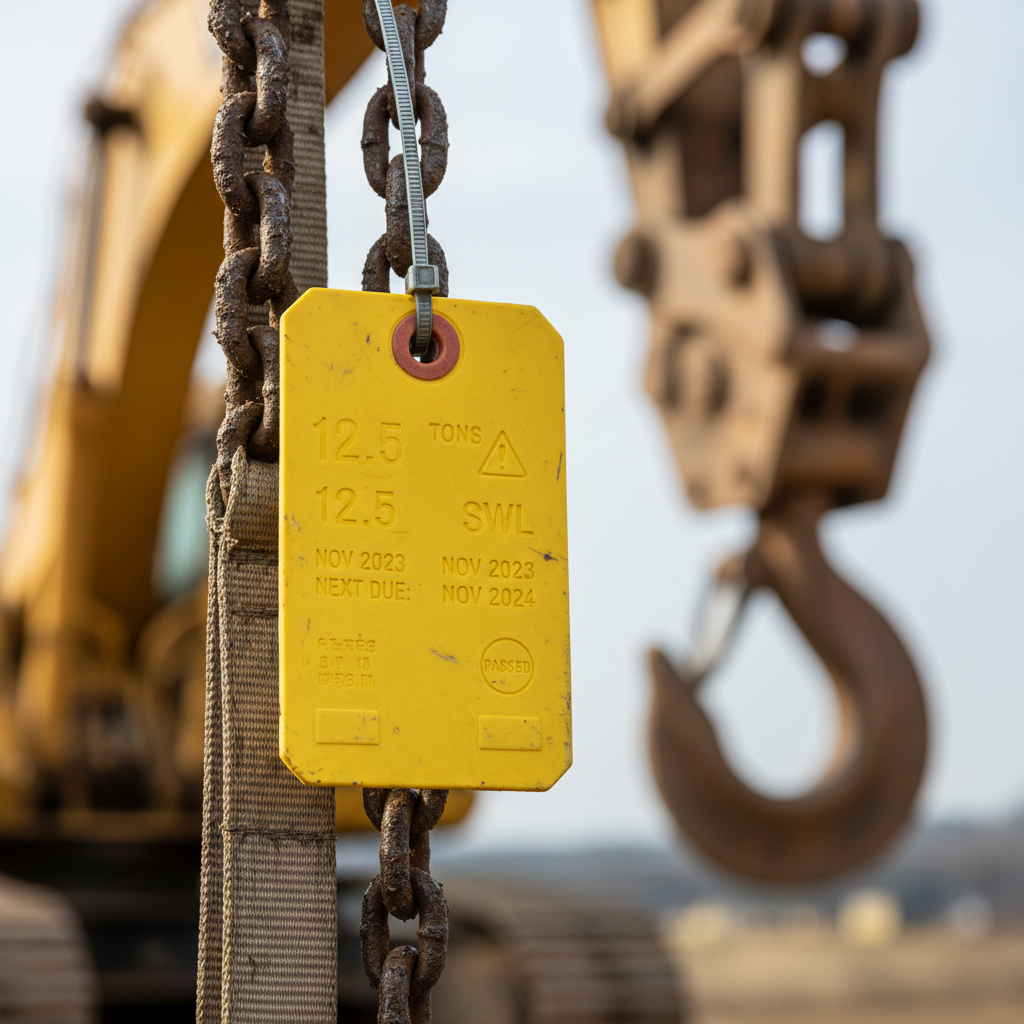
- Rated-Load Tags: These tags specify the maximum safe working load (SWL) or working load limit (WLL) of a piece of equipment or a component. For lifting equipment, this is absolutely critical. Overloading is a leading cause of machinery failure and serious accidents. Australian Standards, such as AS 1418 for Cranes, Hoists, and Winches, and AS 2550 for Cranes, Hoists, and Winches – Safe Use, provide detailed specifications for determining and clearly marking these limits. The tag must be durable, permanently attached, and visible.
- Inspection Tags: These tags provide a record of when a piece of plant or equipment was last inspected, by whom, and when the next inspection is due. They are a visual summary of the equipment's current safety status. For plant hire, these are often colour-coded or include specific dates to indicate currency. For example, common practice often dictates a specific colour for each quarter or year, allowing for quick visual checks on site.
The Critical Role of Rated-Load Tags in Preventing Overload
Overloading plant equipment, even slightly, can have catastrophic consequences. It can lead to structural failure, component damage, loss of load control, and severe injuries or fatalities. Rated-load tags are the primary defence against this. They provide clear, unambiguous information to operators, ensuring they do not exceed the equipment's designed capacity.
For plant hire companies, correctly applying and maintaining rated-load tags is a non-negotiable safety measure. It demonstrates due diligence in providing safe equipment and helps protect both your assets and the people using them. Choosing the right tag material, such as durable anodised aluminium or chemical-resistant plastics, ensures the information remains legible throughout the equipment's operational life.
Practical Application: Matching Tags to Equipment
Every item of lifting equipment, from a simple shackle to a complex mobile crane, must have its rated-load clearly displayed. This information often comes from the manufacturer, but for custom-fabricated equipment or where components are assembled, professional engineering assessment is required to determine the SWL/WLL. Tag placement is vital – it should be easily visible to the operator from their normal operating position, and ideally, also visible during pre-operational checks.
Ensuring Regular Inspections with Inspection Tags
Regular inspections are a cornerstone of plant safety. Equipment in plant hire is often subjected to varying conditions, usage patterns, and operators. This makes routine checks and planned preventative maintenance even more crucial. Inspection tags provide the visual cue that an inspection has been completed and that the equipment is deemed safe for use, at least until the next inspection is due.
These tags are an effective management tool. They prevent assumptions about safety and compel operators or supervisors to verify the equipment's status before use. When a tag indicates an overdue inspection, it should immediately trigger a 'Do Not Use' protocol until a qualified person has reassessed the equipment.
Designing Effective Inspection Tag Systems
An effective inspection tag system goes beyond simply attaching a piece of paper. It requires durable, weather-resistant tags that can withstand harsh industrial environments. Consider using high-quality laminated PVC, durable synthetic paper, or even metal tags for extreme conditions. Implementing a clear colour-coding system for different inspection cycles (e.g., green for current, red for overdue) can greatly enhance clarity.
The tag should include essential information: date of inspection, inspector's identification, and the next due date. Some companies also include space for a brief summary of findings or a reference to a full inspection report for comprehensive record-keeping.
Compliance Requirements and Documentation Best Practices
Compliance with WHS regulations extends beyond simply having tags in place. It requires a robust system of documentation and record-keeping that can demonstrate your commitment to safety. For plant hire, this includes:
- Inspection Records: Detailed reports for every inspection, outlining findings, repairs, and certification.
- Maintenance Logs: Records of all servicing, repairs, and parts replacements.
- Operator Training Records: Proof that operators are competent and trained on the specific plant they are using.
- Plant Risk Assessments: Assessments identifying hazards and control measures for each type of plant.
- Tagged Out Procedures: Clear processes for isolating and tagging equipment that is unsafe or under maintenance.
These documents, coupled with the physical rated-load and inspection tags, form a comprehensive compliance package. In the event of an incident, or during a regulatory audit, demonstrating a well-maintained system of records is invaluable.
Why Documentation Matters
Beyond legal requirements, thorough documentation helps identify patterns of wear and tear, predict maintenance needs, and extend the lifespan of your assets. It also provides a clear audit trail, demonstrating your proactive approach to safety and asset longevity to clients and regulators alike.
Choosing the Right Industrial Asset Labels for Plant Hire
The Australian industrial environment is tough on labels. Heat, dust, chemicals, and abrasion can quickly render standard labels unreadable, defeating their purpose. This is where selecting the right durable asset labels becomes critical.
- Material Durability: For rated-load tags, anodised aluminium or stainless steel are ideal for extreme outdoor conditions and heavy impact. For inspection tags, heavy-duty synthetic materials (like polyester or vinyl with strong adhesive) that are UV, water, and chemical resistant are essential. Look for tags designed to withstand the operational stressors of your specific plant.
- Customisation Options: Your tags need to clearly convey specific information. Look for manufacturers who offer customisable tags, allowing you to include company logos, specific numbering sequences, QR codes for digital record linking, and clear fields for dates and signatures.
- Legibility and Visibility: The tag's design should prioritise readability. High-contrast colours, large fonts, and minimal clutter ensure that critical information can be quickly and accurately read, even in challenging lighting conditions or by operators with vision impairments.
- Attachment Methods: Consider how the tags will be attached. Options include adhesive backing, pre-punched holes for rivets or cable ties, or even embedded tags for extreme durability. The attachment method must be secure enough to prevent accidental removal but durable enough to last the tag's intended lifespan.
Partnering with a Specialist Label Manufacturer
Working with a reputable Australian industrial label manufacturer who understands the specific demands of plant hire compliance can make a significant difference. They can advise on suitable materials, design for legibility, and ensure your tags meet all relevant Australian Standards, simplifying your compliance journey.
Key Takeaways for Plant Hire Asset Managers
- Compliance is Non-Negotiable: Understand and adhere to the Model WHS Act and state-specific regulations.
- Rated-Load Tags are Critical: Always display correct SWL/WLL to prevent overloading and ensure equipment safety.
- Inspection Tags Drive Safety: Implement a clear, visible system for tracking inspections and due dates.
- Documentation is Your Proof: Maintain meticulous records of inspections, maintenance, and training.
- Choose Durable, Legible Tags: Invest in high-quality, customised industrial labels designed for harsh Australian conditions.
- Partner for Expertise: Work with an experienced label manufacturer to ensure your tags meet regulatory and operational needs.
Conclusion
Rated-load and inspection tags are more than just labels; they are vital components of a comprehensive safety and compliance strategy for plant hire operations in Australia. By meticulously applying these tags, maintaining rigorous inspection schedules, and keeping thorough records, operations and asset managers not only meet their legal obligations but also significantly enhance the safety of their workforce and the longevity of their valuable equipment. Prioritising these elements will safeguard your operations, your people, and your reputation in the competitive plant hire market.
Need labels for your assets?
Design online and we'll print, cut and ship from Australia.
Design a label