QR vs. Code 128: Small Asset Labels in Australian Operations
5 October 2026 · qr codes · code 128 · asset tracking · industrial labels · barcode labels
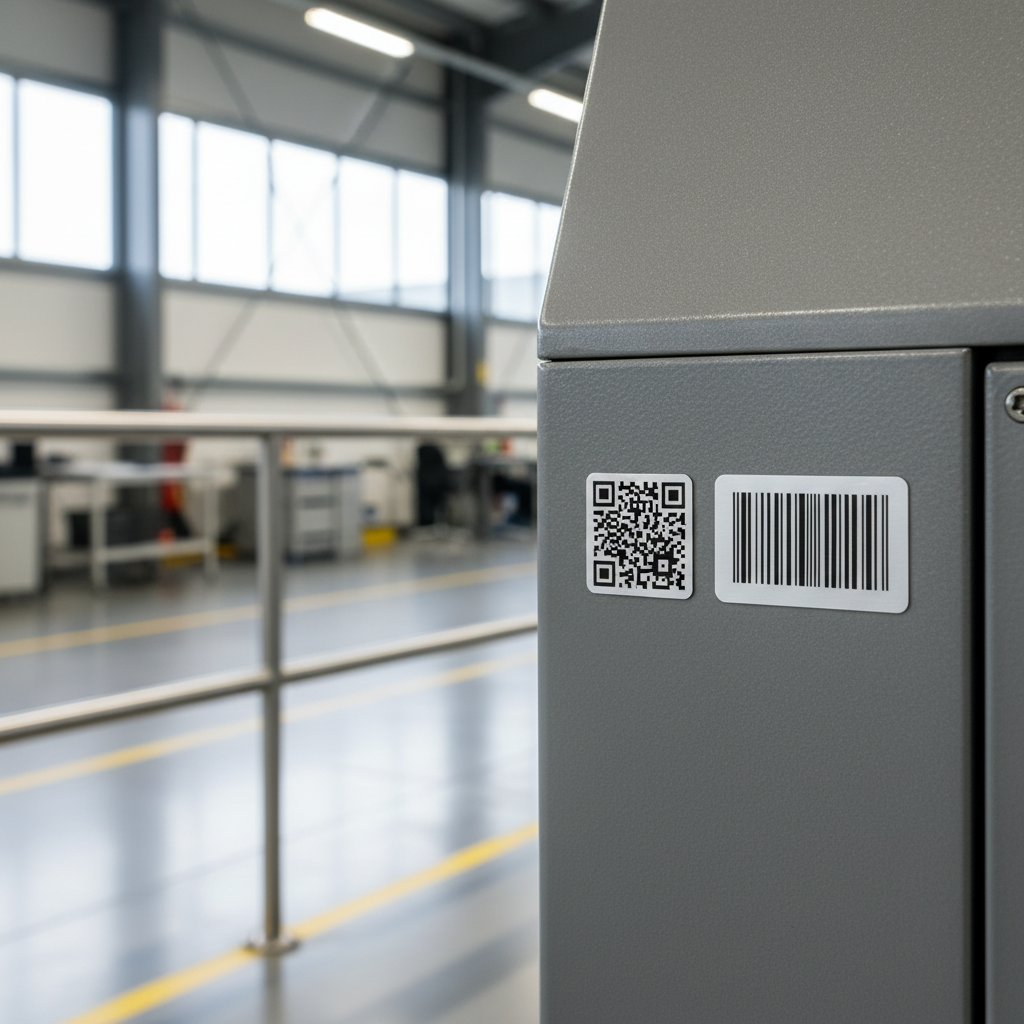
In Australian industrial operations, efficiency and accuracy are paramount. Every asset, from small hand tools to critical machinery components, needs to be tracked reliably. When it comes to labelling these items, especially those with limited surface area, the choice of barcode format becomes a crucial decision. The two most common contenders are QR codes and Code 128 barcodes. But which one 'wins' when space is tight?
This article will break down the pros and cons of both QR codes and Code 128 barcodes specifically for small asset labels. We'll explore data capacity, readability, durability, and practical considerations for Australian operations, facilities, and asset managers, helping you make an informed choice that boosts your tracking capabilities.
Understanding the Contenders: QR Codes and Code 128
Before we pit them against each other, let's briefly understand what each barcode format offers. You've likely seen both in action, but their underlying technology and suitability for industrial use differ significantly.
Code 128: The Linear Workhorse. Code 128 is a high-density, linear (1D) barcode. It's designed to encode all 128 ASCII characters, including numbers, letters, and special characters. Its linear nature means information is stored horizontally, requiring the scanner to read across the bars. It's been a staple in inventory management and logistics for decades due2its reliability and ability to encode more complex data than older 1D formats like Code 39.
QR Code: The 2D Data Powerhouse. QR (Quick Response) codes are two-dimensional (2D) barcodes, meaning they store information both horizontally and vertically. This matrix-style encoding allows them to hold significantly more data than a linear barcode in the same amount of space. They can encode numbers, letters, binary data, and even Japanese Kanji characters. QR codes also feature error correction, making them more resilient to damage.
Data Capacity & Space Efficiency: The Core of Small Labels
When you're dealing with small assets – think small parts, tools, or circuit board components – label real estate is premium. This is where the fundamental difference between 1D and 2D barcodes truly shines.
Code 128's Limitations: While Code 128 is efficient for a 1D barcode, its data capacity is directly tied to its length. To store more characters, the barcode needs to be longer. On a small label, this quickly becomes a problem. You might only be able to fit a short identification number or asset tag, potentially limiting the detail you can store directly on the label. This often means relying on a database lookup for richer information.
QR Code's Advantage: QR codes are masters of space efficiency. They can hold hundreds of characters (up to 7,089 numeric or 4,296 alphanumeric characters) in a relatively small square. This means you can embed much more information directly onto the label, such as a serial number, part number, manufacturer, date of manufacture, or even a link to a digital asset manual, all within a small footprint. For small assets, this enhanced data density often makes QR codes the clear winner.
Readability & Scanning Performance in Industrial Settings
A barcode is only useful if it can be read quickly and reliably. Industrial environments in Australia, from dusty mines to humid processing plants, present unique challenges for scanning.
Code 128's Scanning Requirements: Linear barcodes like Code 128 typically require a clear line of sight and often a steady, horizontal scan. If the barcode is smudged, scratched along its length, or if the scanner isn't aligned correctly, it can lead to read errors or multiple scan attempts. Traditional laser scanners are common for 1D barcodes, but imaging scanners can also read them.
QR Code's Robustness: QR codes excel here due to their 2D nature and built-in error correction. They can be read from almost any angle (360 degrees) and even if up to 30% of the code is damaged, dirty, or obscured. This is a massive benefit in industrial settings where labels endure wear and tear. Furthermore, QR codes are easily read by modern imaging scanners, including smartphone cameras, which can be a cost-effective and flexible solution for field scanning or ad-hoc checks.
Durability & Material Considerations for Australian Conditions
Industrial labels need to withstand harsh Australian conditions, including extreme temperatures, UV exposure, chemicals, and physical abrasion. The barcode format choice can influence the overall durability strategy.
Code 128 Durability: The durability of a Code 128 barcode heavily depends on the label material and printing method. If printed on a standard paper label without lamination, it's susceptible to damage. Any significant scratch or smudge across a bar can render it unreadable. High-quality synthetic materials (e.g., polyester, vinyl) and robust printing (e.g., thermal transfer with resin ribbons, direct etching) are essential to protect the barcode itself.
QR Code Resilience: While the label material is still critical, the error correction capabilities of QR codes provide an extra layer of resilience. Even if parts of the QR code matrix are damaged, the scanner can often reconstruct the data. This means a QR code might still be scannable even if it looks visually degraded, offering a longer operational lifespan than a similarly damaged Code 128 barcode on the same material. For small labels, this resilience is particularly valuable as a small amount of damage can affect a larger proportion of the overall code.
Practical Implementation & Future-Proofing
Beyond the technical aspects, consider the practicalities of implementation and how your choice impacts future asset management strategies.
Integration with Existing Systems: Many established Australian facilities might already have infrastructure built around 1D barcode scanning. While upgrading might be necessary for QR codes, the long-term benefits in data capture and flexibility can outweigh the initial investment. Modern asset management software typically supports both formats, but always verify compatibility.
Scanner Choice & Cost: Traditional laser scanners are generally cheaper but are limited to 1D barcodes. Imaging scanners (2D imagers), which can read both 1D and 2D codes, are becoming more affordable and are highly versatile. The ability to use smartphones as scanners for QR codes can also significantly reduce hardware costs for certain applications, especially in smaller operations or for ad-hoc checks by field staff.
Scalability & Information Richness: QR codes offer greater scalability. As your asset tracking needs evolve, you can embed more complex information without changing your label size or format. For example, if you initially track only an asset ID, you could later update your system to also embed maintenance history links or safety data sheets directly into the QR code, offering a richer information experience for technicians in the field.
Which Barcode Format Wins for Small Asset Labels?
For Australian operations, facilities, and asset managers dealing with small asset labels, the winner in most scenarios is clear:
QR codes offer superior data capacity, exceptional readability, and robust durability, making them the preferred choice for small industrial asset labels.
While Code 128 remains a reliable format for larger labels or when legacy systems are a dominant factor, its limitations in data density and vulnerability to damage on small footprints make it less ideal for the demands of modern asset tracking.
Key Takeaways for Your Decision:
- Space Efficiency: QR codes pack far more data into a smaller area than Code 128.
- Readability: QR codes offer 360-degree scanning and excellent error correction, making them more forgiving in harsh environments.
- Durability: While label material is key, QR codes' error correction adds resilience against damage.
- Flexibility: QR codes allow for richer data embedding and can be scanned by readily available smartphones.
- Future-Proofing: Opting for QR codes positions your asset management system for future growth and advanced data integration.
Ultimately, the best barcode for your small assets depends on your specific operational needs, the amount of data you need to embed, and your existing infrastructure. However, for maximum efficiency, data capacity, and resilience in small formats, QR codes are increasingly the intelligent choice for forward-thinking Australian businesses. When selecting your labels, always partner with a manufacturer who understands the unique demands of industrial environments and can provide high-quality, durable solutions tailored to your chosen barcode format.
Need labels for your assets?
Design online and we'll print, cut and ship from Australia.
Design a label