QR vs Code 128: Small Asset Labels in Australian Industrial Ops
4 October 2026 · asset labelling · qr codes · code 128 · industrial barcodes · asset management
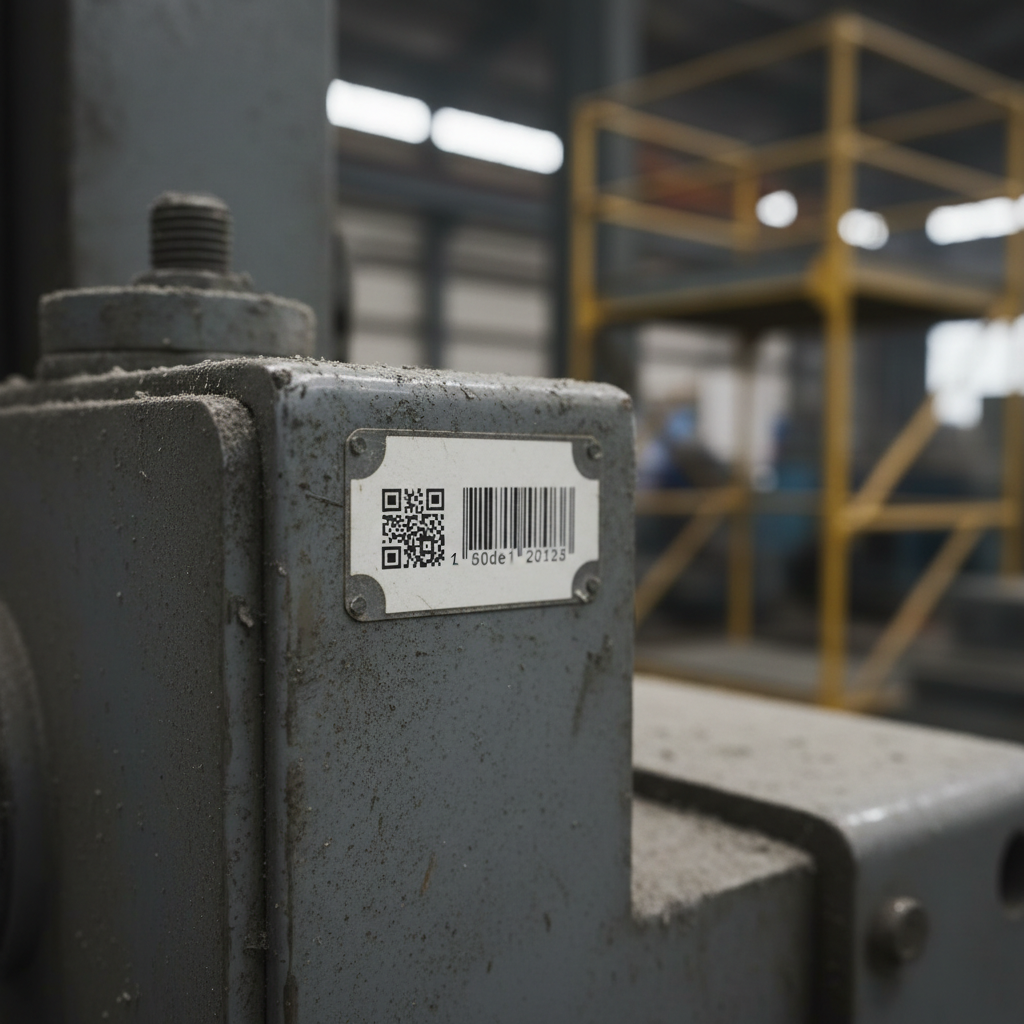
In the bustling world of Australian industrial operations, effective asset management is key to efficiency, safety, and profitability. Whether you're tracking tools, components, or plant equipment, small asset labels are indispensable. But when space is at a premium, choosing the right barcode format can make all the difference. This often boils down to a head-to-head battle: QR codes versus Code 128 barcodes.
For operations, facilities, and asset managers across Australia, understanding the strengths and weaknesses of each format is crucial. This article will cut through the technical jargon, offering practical insights to help you decide which barcode 'wins' for your specific needs, ensuring your assets are always accounted for, even on the smallest labels.
Understanding the Contenders: Code 128
Code 128 is a linear (1D) barcode, meaning its data is encoded in the varying widths and spacing of parallel lines. It's a highly versatile and widely used barcode format, capable of encoding all 128 ASCII characters, including numbers, letters (both upper and lower case), and common symbols. This broad character set makes it suitable for many industrial applications, from inventory numbers to serial codes.
Its familiarity and ease of implementation have made Code 128 a workhorse in logistics, manufacturing, and retail globally, including here in Australia. Scanners for Code 128 are ubiquitous and generally affordable, from handheld laser scanners to fixed-mount industrial readers. For simple, alphanumeric data on a relatively flat surface, Code 128 has long been a reliable choice.
Understanding the Contenders: QR Codes
QR codes (Quick Response codes) are 2D matrix barcodes, meaning they encode data in a two-dimensional pattern of black and white squares. Developed in Japan, they've surged in popularity due to their incredible versatility and capacity for complex data. Unlike linear barcodes, QR codes can store significantly more information, including URLs, contact details, lengthy serial numbers, and even small files.
A key advantage of QR codes for industrial use is their error correction capability. Even if a portion of the QR code is damaged, dirty, or obscured – a common occurrence in harsh industrial environments – it can often still be scanned successfully. This resilience makes them particularly appealing for assets exposed to dust, grime, or wear and tear, a familiar challenge in many Australian facilities.
Data Density and Small Space Efficiency
When it comes to small asset labels, data density is paramount. You need to pack as much information as possible into a tiny footprint. Here, the QR code generally has a distinct advantage. Because it encodes data in two dimensions, it can store significantly more information in a smaller area compared to a Code 128 barcode.
A Code 128 barcode storing a 20-character alphanumeric serial number might be several centimetres long, while a QR code storing the same data could be a small square, perhaps less than 1x1 cm. This makes QR codes ideal for labelling compact tools, small components, or critical parts where label space is severely limited. For facilities managers needing to track numerous small items without bulky labels, this space efficiency is a major draw.
Scanning Reliability in Tough Conditions
Australian industrial environments are rarely pristine. Dust, moisture, grease, and abrasions are par for the course. This is where a barcode's scanning reliability under adverse conditions truly matters. Code 128, being a linear barcode, can be sensitive to damage. A single scratch or smudge across a bar can render it unreadable, as the scanner relies on the precise interpretation of each line.
'For assets exposed to the elements or high-traffic areas, the error correction of QR codes can be a game-changer for maintaining scannability.'
QR codes, with their built-in error correction, offer a significant robustness advantage. They can often be scanned even if up to 30% of their surface is damaged or obscured, depending on the error correction level chosen. This resilience is invaluable for asset labels that will endure harsh treatment, ensuring continuity in asset tracking even when labels aren't perfectly clean or intact. For remote sites or high-wear assets, this means fewer failed scans and more accurate data.
Implementation: Scanners, Printing & Cost
Implementing either barcode system involves considering scanners, printing, and overall cost. Code 128 barcodes can be read by a wide range of basic 1D barcode scanners, which are generally very affordable and have been standard equipment in many operations for years. This means existing infrastructure might already support Code 128 without further investment.
QR codes, however, require 2D imager scanners, which are now increasingly common and competitively priced. Many modern smartphones and tablets, which are already in the hands of many field staff, can also readily scan QR codes using free apps. This 'bring your own device' capability can significantly reduce equipment costs and streamline data capture. Printing both formats is straightforward with industrial label printers, but ensuring the small size of QR codes maintains sufficient contrast and resolution for scanning is crucial.
Durability of the Label Material
Regardless of the barcode format you choose, the durability of the label material itself is paramount for small asset labels in industrial settings. A barcode is only as good as the label it's printed on. For Australian conditions, this means selecting materials that can withstand UV exposure, extreme temperatures, chemicals, abrasion, and moisture.
We recommend industrial-grade labels made from materials like polyester, vinyl, or anodised aluminium, often with a protective laminate. These materials ensure that the barcode, whether Code 128 or QR, remains legible and attached to the asset for its entire service life. Always match the label material to the specific environmental challenges your assets face.
Key Takeaways for Australian Operations
- QR codes excel in data density, making them superior for very small labels where space is limited, allowing more information to be stored in a smaller area.
- QR codes offer robust error correction, meaning they are more likely to scan successfully even when dirty or damaged, ideal for harsh industrial environments.
- Code 128 is a well-established, reliable 1D option for basic alphanumeric data when label size allows for a longer barcode.
- Scanner availability is broad for both; Code 128 works with 1D scanners, while QR codes need 2D imagers (or smartphones).
- Label material durability is critical for both formats to ensure longevity in Australian industrial conditions.
- Consider the amount of data you need to store and the expected wear and tear on the labels before deciding.
The Verdict: A Clear Edge for QR Codes on Small Labels
For Australian operations, facilities, and asset managers specifically concerned with small asset labels and the challenging conditions they face, QR codes generally emerge as the superior choice. Their ability to pack more data into a tiny footprint, coupled with their inherent error correction capabilities, makes them incredibly practical and resilient. This ensures that even on the smallest components, critical asset information remains accessible and reliable, streamlining tracking and maintenance processes.
While Code 128 remains a solid, dependable option for larger labels or less demanding environments, the advantages of QR codes for small-scale, high-durability applications are undeniable. Invest in quality industrial-grade labels for whichever format you choose, and you'll lay a robust foundation for efficient asset management.
Need labels for your assets?
Design online and we'll print, cut and ship from Australia.
Design a label