Protecting AV & Lab Equipment in Schools & Unis with ID Labels
7 September 2026 · asset tracking · equipment labels · education sector · asset management
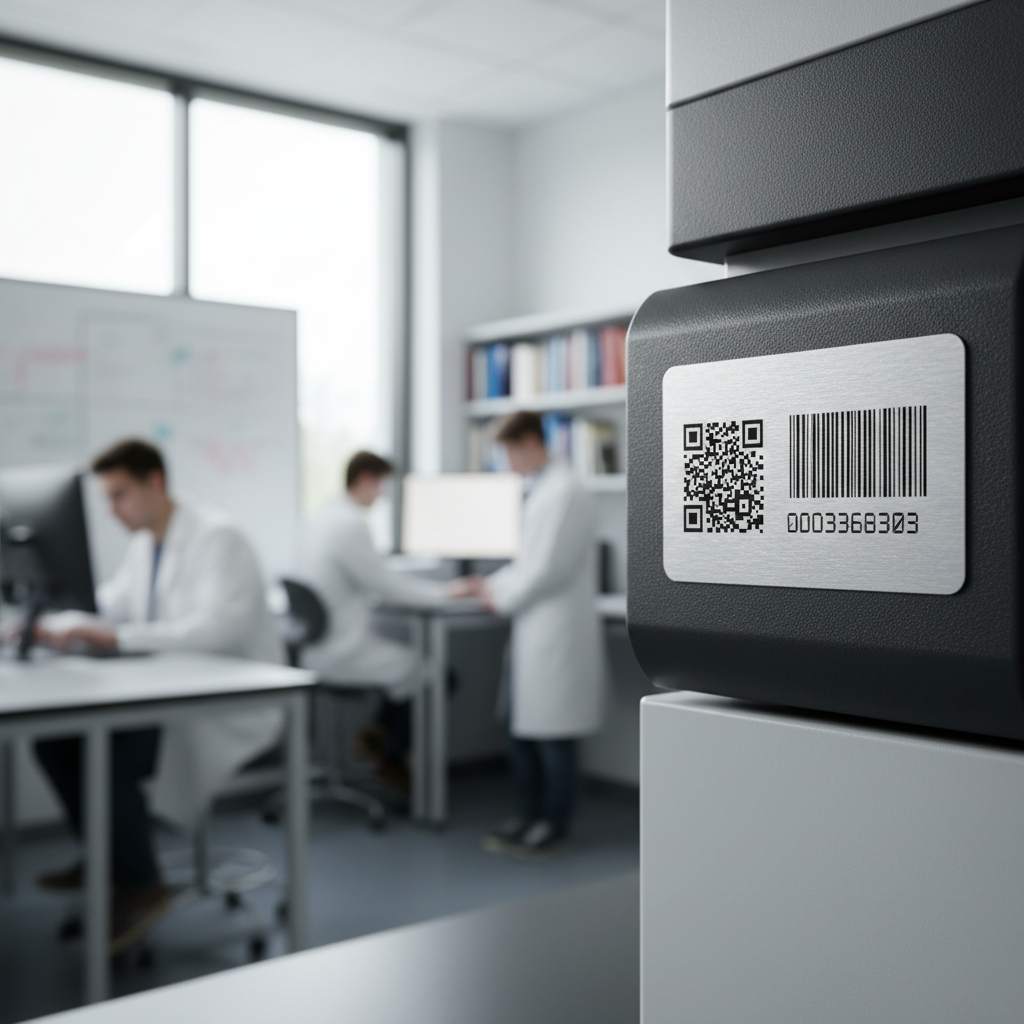
In Australian schools and universities, the safeguarding of audio-visual (AV) and laboratory equipment is a significant challenge for operations, facilities, and asset managers. These items represent substantial investments, crucial for teaching, research, and daily operations. Yet, they are constantly on the move, shared amongst departments, and unfortunately, sometimes prone to misplacement or theft. This is where high-quality, industrial identification (ID) labels become indispensable tools for asset protection and efficient management.
This article delves into how robust asset labels can revolutionise the way educational institutions track, manage, and protect their valuable equipment. We'll explore practical benefits, label types, and key considerations for Australian facilities looking to bolster their asset security and streamline operational workflows.
The Core Challenge: Managing High-Value, High-Movement Assets
Educational institutions are dynamic environments. Projectors, interactive whiteboards, laptops, VR headsets, specialised cameras, microscopes, centrifuges, 3D printers, and various scientific instruments are routinely moved between classrooms, labs, storage, and even off-campus for fieldwork or remote learning. This constant movement makes traditional inventory methods cumbersome and often ineffective. Without clear, permanent identification, tracking these items becomes a nightmare, leading to significant financial losses and operational inefficiencies.
The sheer volume and variety of equipment further complicate matters. Each item, from a basic digital camera to a sophisticated mass spectrometer, requires individual attention. The cost of replacing lost or stolen equipment isn't just financial; it disrupts learning, delays research, and can negatively impact an institution's reputation. Effective asset labelling directly addresses these challenges, providing a foundational layer for comprehensive asset management strategies.
Beyond Basic Stickers: Why Durable ID Labels Matter
Forget the sticky paper labels that peel, fade, or tear after a few weeks. Industrial ID labels are engineered for resilience, designed to withstand the rigours of an educational environment. This means they are crafted from materials that resist abrasion, chemicals, UV exposure, and extreme temperatures – conditions often found in science labs or outdoor educational settings.
The durability of these labels ensures that critical identification information – such as asset numbers, QR codes, or barcodes – remains legible and scannable for the lifetime of the asset. This longevity is key to maintaining an accurate asset register, facilitating quick inventory checks, and providing indisputable proof of ownership. Investing in durable labels is investing in the long-term integrity of your asset management system.
Key Benefits for Australian Educational Institutions
1. Enhanced Asset Tracking and Inventory Management
Perhaps the most immediate benefit of asset labels is vastly improved asset tracking. By assigning a unique, scannable ID to every piece of equipment, institutions can accurately record its purchase date, location, responsible department, maintenance history, and current status. This data is invaluable for annual audits, insurance purposes, and strategic planning.
Using labels with QR codes or barcodes allows for rapid, error-free data entry into an asset management system (AMS). A quick scan can update an item's location when it moves from a storage cupboard to a classroom or a lab to a workshop. This dramatically reduces the time and labour involved in inventory checks, freeing up staff for more critical tasks and significantly improving the accuracy of inventory records across the entire campus or school network.
2. Deterring Theft and Aiding Recovery
Clearly marked equipment acts as a powerful deterrent to potential thieves. An asset with a prominent, permanent label displaying an institutional logo, asset number, and 'Property of [Institution Name]' is far less attractive to steal and harder to resell than an unmarked item. The perceived difficulty of removing or altering a robust label makes it a less appealing target.
Should an item go missing, its unique ID label significantly increases the chances of recovery. If found, a quick scan or search of the label information can immediately link it back to your institution, simplifying the process of reclaiming valuable assets. This proactive measure not only protects against loss but also demonstrates a commitment to asset security, which can be beneficial for insurance premiums.
3. Streamlined Maintenance and Calibration Schedules
Many pieces of AV and lab equipment require regular maintenance, calibration, or safety checks to ensure optimal performance and compliance. An asset label can be integrated with your maintenance schedule, providing a direct link to an item's service history within your AMS. Scanning a label can instantly bring up when an item was last serviced, what work was performed, and when its next check is due.
This is particularly critical for lab equipment where calibration accuracy directly impacts research outcomes and safety. Efficient maintenance tracking reduces downtime, extends the lifespan of equipment, and ensures that all assets are operating safely and effectively. It shifts maintenance from a reactive, emergency response to a proactive, scheduled process.
4. Optimising Resource Allocation and Budgeting
With accurate data derived from well-labelled assets, operations and facilities managers can make informed decisions about resource allocation. Knowing precisely what equipment is available, where it is located, and its condition prevents unnecessary purchases. If you can easily identify underutilised assets in one department, they can be reallocated to another before buying new.
Furthermore, detailed asset records provide a clear picture of equipment lifespan and depreciation, aiding in more accurate capital expenditure planning. This data supports budget requests, demonstrates accountability in spending, and helps institutions maximise the value from their significant investments in technology and scientific instruments.
Choosing the Right Label for Your Needs
Not all labels are created equal. The specific environment and usage of your equipment will dictate the best label type:
- Polyester Labels: Highly durable, resistant to moisture, chemicals, and abrasion. Ideal for general AV equipment, laptops, and items that see frequent handling.
- Anodised Aluminium Labels: Extremely robust and tamper-evident. Information is sealed beneath the anodic layer, making it resistant to harsh chemicals, extreme temperatures, and heavy abrasion. Perfect for demanding laboratory environments, outdoor equipment, or assets requiring maximum security.
- Tamper-Evident Labels: Designed to show clear signs of attempted removal, often leaving a 'VOID' pattern. Great for high-value items where proof of tampering is crucial.
- Custom Shapes and Sizes: Labels can be tailored to fit awkward equipment surfaces, ensuring maximum adhesion and visibility.
Consider the application method too. Labels with aggressive adhesives ensure permanent attachment, even to textured or low-energy surfaces. For metal assets, some labels can be riveted for ultimate security.
Implementation: A Practical Approach for Australian Institutions
Implementing an effective asset labelling system doesn't have to be overwhelming. Start with a pilot program in a specific department or with a particular type of equipment. This allows you to refine your process before a campus-wide rollout.
- Audit Existing Assets: Begin by physically verifying and documenting all relevant equipment. This forms the baseline for your asset register.
- Select Label Type: Based on environmental factors (chemical exposure, temperature, UV, abrasion) and security needs, choose the most appropriate durable label material and adhesive.
- Develop Naming Convention: Establish a clear, consistent numbering or QR code system that aligns with your asset management software. This might include department codes, purchase year, or asset type.
- Application and Data Entry: Apply labels neatly and securely to each asset. Immediately enter or scan the label's unique ID and associated asset data into your asset management system.
- Training and Procedures: Train staff on the importance of the labels, how to scan them, and what procedures to follow when equipment moves or requires maintenance.
- Regular Reviews: Periodically review your labelling system's effectiveness and conduct spot checks to ensure labels remain intact and data is accurate.
Conclusion: A Smart Investment for Lasting Value
For Australian schools and universities, protecting valuable AV and lab equipment with robust ID labels isn't just about preventing loss; it's about optimising operations, enhancing accountability, and making smarter financial decisions. By choosing the right durable labels and integrating them into a comprehensive asset management strategy, educational institutions can safeguard their investments, streamline workflows, and ensure critical resources are always available for learning and discovery.
Investing in industrial-grade asset labels is a proactive step that delivers lasting returns, providing peace of mind for operations, facilities, and asset managers alike.
Key Takeaways:
- AV and lab equipment in educational settings are high-value and high-movement, making them difficult to track.
- Durable, industrial ID labels resist harsh conditions and maintain legibility, unlike standard stickers.
- Benefits include enhanced tracking, reduced theft risk, streamlined maintenance, and optimised resource allocation.
- Label selection should consider material (polyester, aluminium), adhesion, and tamper-evident features.
- Successful implementation requires a clear strategy, consistent naming conventions, and staff training.
Need labels for your assets?
Design online and we'll print, cut and ship from Australia.
Design a label