Mining Tags: Adhesives Rated for Australia's Harshest Environments
15 September 2026 · mining labels · asset tags · industrial adhesives · harsh environments · asset management
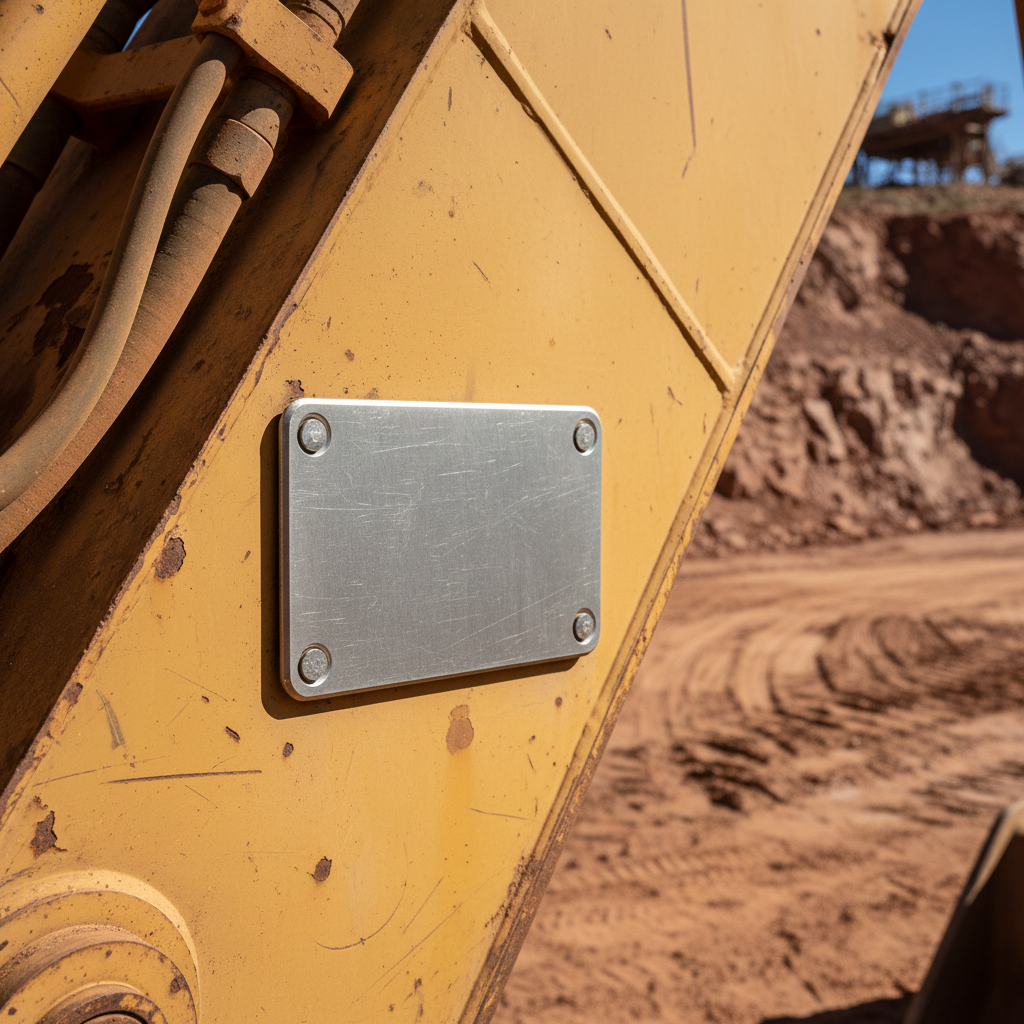
In Australia's demanding mining sector, asset management isn't just about tracking equipment; it's about safeguarding operations, ensuring compliance, and optimising performance. The foundation of effective asset management? Reliable identification. And when it comes to identifying crucial assets in environments ranging from scorching Pilbara heat to the corrosive damp of underground tunnels, standard labels simply won't cut it.
This article delves into the world of mining-grade asset tags, specifically focusing on the critical, yet often overlooked, role of their adhesives. We'll explore what makes an adhesive 'mining-grade', how it stands up to Australia's unique challenges, and what operational and asset managers need to consider when selecting labels that stick – no matter what.
Why Standard Adhesives Fail in Mining Environments
Imagine the conditions your assets endure daily: relentless UV exposure from the Australian sun, abrasive dust and grit, extreme temperature fluctuations, constant vibrations from heavy machinery, and regular exposure to water, chemicals, and oils. These factors are commonplace across Australian mine sites, from coal to iron ore, gold to bauxite.
Conventional adhesive labels, designed for office or light industrial use, simply aren't engineered for this onslaught. Their adhesives quickly degrade, losing their bond strength, cracking, or even dissolving. This leads to labels peeling, fading, or completely detaching, rendering your asset identification system useless and opening the door to costly errors, compliance breaches, and operational bottlenecks.
The Hidden Costs of Label Failure
When an asset label fails, the implications ripple through your entire operation. Misidentified or untraceable equipment can lead to:
- Lost productivity: Time wasted searching for assets or incorrect parts being used.
- Compliance risks: Failure to meet safety regulations or audit requirements, potentially leading to fines or operational shutdowns.
- Maintenance inefficiencies: Difficulty tracking service history, leading to neglected maintenance or redundant repairs.
- Inventory discrepancies: Inaccurate stock counts for spare parts or consumables.
- Safety hazards: Misidentification of critical safety equipment or dangerous machinery.
Investing in robust, mining-grade asset tags with appropriate adhesives isn't an expense; it's a vital investment in your operation's efficiency, safety, and profitability.
Understanding 'Mining-Grade' Adhesives: What Makes Them Different?
A 'mining-grade' adhesive isn't just one type; it's a category of high-performance formulations specifically engineered to maintain their bond integrity under the harshest industrial conditions. These aren't off-the-shelf glues but highly specialised compounds developed through extensive research and testing.
Key characteristics that set mining-grade adhesives apart include:
- Extreme Temperature Resistance: They can withstand ambient temperatures that swing from below freezing overnight to over 50℃ during the day, typical of many Australian inland mining regions, without losing adhesion.
- UV Stability: Formulated to resist degradation from prolonged exposure to intense ultraviolet radiation, preventing embrittlement and loss of tack.
- Chemical Resistance: Designed to repel or withstand exposure to fuels, oils, solvents, cleaning agents, and other chemicals commonly found on mine sites, preventing breakdown of the adhesive bond.
- Moisture and Humidity Resistance: Capable of maintaining adhesion in high humidity, wet conditions, and even submerged environments, crucial for preventing rust and corrosion beneath the label.
- Abrasion and Impact Resistance: While primarily a property of the label material itself, the adhesive must also resist shear forces and impacts that could cause the label to be scraped or dislodged.
Common Types of High-Performance Adhesives
While proprietary formulations are common, many mining-grade labels utilise advanced adhesive types such as:
- Acrylic Adhesives: Known for excellent UV and temperature resistance, good chemical resistance, and long-term durability. Often used for outdoor and high-stress applications.
- Rubber-Based Adhesives (Modified): While standard rubber adhesives can degrade, highly modified versions offer aggressive tack for rough surfaces and good water resistance, sometimes with added chemical resistance.
- Epoxy Adhesives (Film or Liquid): For extreme bonding strength and resistance to chemicals and very high temperatures, often used for permanent applications where the label itself might be metallic.
The choice depends on the specific environmental stressors and the substrate material the label will be applied to.
Choosing the Right Adhesive for Your Australian Mining Site
Selecting the optimal adhesive for your mining-grade asset tags requires a thorough understanding of your specific operational environment and the surfaces to which the labels will be applied. It's not a one-size-fits-all solution.
Key Factors to Consider:
- Surface Type (Substrate): Is the asset made of painted metal, unpainted metal, plastic, powder-coated steel, or a rough, porous material? Different adhesives bond better to different surfaces. For example, a high-tack adhesive is often needed for low-surface-energy plastics or rough cast metals.
- Surface Condition: Is the surface always clean and dry, or is it typically oily, dusty, or damp? Pre-cleaning protocols are essential, but the adhesive should also tolerate some residual contamination if unavoidable.
- Environmental Exposure: Detailed assessment of temperatures (min/max), UV exposure, chemical contact (types and frequency), water exposure (rain, washdowns, submersion), and abrasive forces.
- Application Method: Will the labels be applied manually or via an automated process? This can influence adhesive choice and liner type.
- Desired Lifespan: How long do you need the label to remain legible and adhered? Some adhesives offer a longer functional life than others.
- Removal Requirements: Is the label intended to be permanent, or will it need to be removed without residue at some point?
The Importance of Testing and Consultation
Never assume an adhesive will perform as expected without testing. A reputable Australian industrial labelling manufacturer will offer samples for on-site testing. This 'real-world' validation is crucial. Furthermore, leverage their expertise. Describe your environment, your assets, and your pain points. They can guide you toward the ideal combination of label material and adhesive for your specific challenges.
Application Best Practices for Optimal Adhesion
Even the most advanced mining-grade adhesive can fail if not applied correctly. Proper application is just as critical as choosing the right label and adhesive combination.
Essential Steps for Successful Application:
- Surface Preparation is Paramount: The surface must be clean, dry, and free of grease, oil, dust, and rust. Use appropriate industrial cleaners and allow the surface to dry completely. A clean surface ensures maximum adhesive contact.
- Temperature: Apply labels in the recommended temperature range (typically 10℃ to 38℃). Applying in extreme cold or heat can compromise initial tack and ultimate bond strength. If applying in cold conditions, warm the surface if possible.
- Firm Pressure: Apply firm, even pressure across the entire label, especially the edges. This ensures the adhesive flows and makes full contact with the substrate, initiating the bond. A roller or squeegee can be beneficial for larger labels.
- Cure Time: Allow the adhesive to 'cure' or reach its ultimate bond strength. This can take anywhere from 24 to 72 hours, depending on the adhesive type and environmental conditions. Avoid exposing the freshly applied label to extreme stress (e.g., high heat, chemical washes, direct impact) during this period.
- Proper Storage: Store unused labels in their original packaging, away from extreme temperatures, direct sunlight, and high humidity, to preserve adhesive integrity.
By following these best practices, you significantly increase the longevity and reliability of your mining-grade asset tags, ensuring your asset identification system remains robust and effective.
The Bottom Line: Investing in Durable Identification
In the challenging landscapes of Australian mining, the failure of a seemingly small component like an asset tag can have significant ripple effects. From critical safety breaches to costly operational delays, the repercussions of inadequate identification are far-reaching. By understanding the unique demands of your environment and partnering with a specialist provider, you can select mining-grade asset tags with adhesives specifically engineered to survive.
Don't let subpar labels undermine your asset management strategy. Invest in identification solutions that are as tough and reliable as your operations. Choose labels that stick, ensuring your assets are always accounted for, always compliant, and always contributing to a safer, more efficient mining operation.
Key Takeaways for Asset Managers:
- Standard labels and adhesives are insufficient for harsh Australian mining environments.
- Mining-grade adhesives are engineered for extreme UV, temperature, chemicals, and abrasion.
- Understand your specific environmental stressors (substrate, temperature, chemicals, moisture) before selecting an adhesive.
- Always test label samples on-site to validate performance under actual conditions.
- Proper surface preparation, application temperature, and firm pressure are critical for maximum adhesion.
- Consult with experienced Australian industrial labelling manufacturers for tailored solutions.
Ready to Secure Your Assets with Reliable Labelling?
Talk to our experts today about your specific mining asset identification challenges. We'll help you find the perfect mining-grade asset tags and adhesives engineered to withstand Australia's toughest conditions, ensuring your operations run smoothly and compliantly.
Need labels for your assets?
Design online and we'll print, cut and ship from Australia.
Design a label