
Council Fleet Asset Tagging: A Practical Playbook (2026 Update)
27 June 2026 · asset management · fleet management · council operations · asset tagging · australian councils
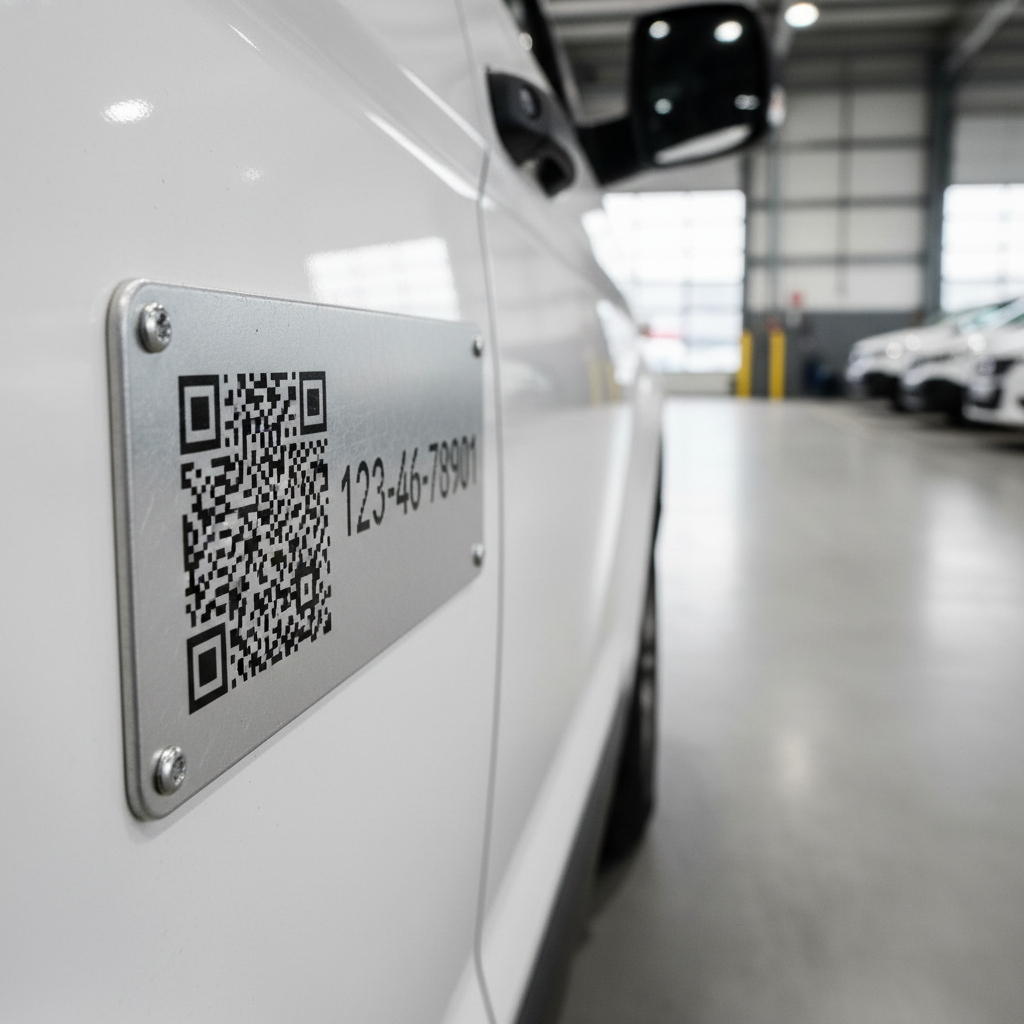
Managing a council's vehicle fleet is no small feat. From heavy machinery like excavators and street sweepers to utility vans and sedans, each asset represents a significant investment and plays a critical role in delivering essential community services. Effective asset management isn't just about knowing what you own; it's about optimising maintenance schedules, tracking depreciation, ensuring regulatory compliance, and ultimately, extending the lifespan of these valuable assets.
As we move into 2026, the demand for greater accountability, efficiency, and data-driven decision-making continues to grow. This updated playbook provides Australian operations, facilities, and asset managers with a practical, step-by-step guide to successfully implementing or refining a council fleet asset tagging system. We'll focus on durable, industrial-grade solutions that stand up to the unique challenges of a busy council environment.
Why Tag Your Council Fleet in 2026? Beyond Basic Inventory
While the fundamental reasons for asset tagging remain consistent, the evolving technological landscape and increasing scrutiny on public spending amplify their importance. In 2026, asset tagging goes beyond simply knowing what's in the garage. It's the cornerstone of a proactive, intelligent fleet management system.
Robust asset tags, particularly those with scannable barcodes or QR codes, enable real-time tracking of maintenance history, usage patterns, and location for mobile assets. This data is invaluable for predictive maintenance, reducing costly breakdowns, and optimising resource allocation. Furthermore, accurate asset records are crucial for compliance with safety standards, environmental regulations, and financial reporting requirements, ensuring your council avoids potential penalties and maintains public trust.
Choosing the Right Tag for Harsh Australian Conditions
Not all asset tags are created equal, especially when exposed to the challenging Australian environment. Council fleet vehicles endure everything from scorching sun and heavy rain to dust, grime, chemicals, and constant vibration. Selecting the wrong tag material will lead to premature failure, illegible codes, and wasted effort. Here's what to consider:
- Material Durability: For external applications (chassis, vehicle exteriors), opt for marine-grade anodised aluminium or industrial-grade polyester/polycarbonate labels with strong adhesive. These materials resist UV degradation, abrasion, extreme temperatures, and common cleaning agents. For internal components or less exposed areas, durable synthetic labels might suffice.
- Attachment Method: Beyond high-temperature, permanent adhesives, consider mechanical fasteners for high-value or high-wear assets. Rivets, screws, or even specialised tamper-evident seals offer an added layer of security and permanence, especially for plant and heavy machinery.
- Information & Readability: Ensure your tags can accommodate key information like asset ID, asset class, and a scannable barcode or QR code. The printing method must be robust – laser etching into metal or sub-surface printing on durable plastics prevents information fading or scratching. QR codes offer greater data capacity and damage tolerance compared to traditional barcodes.
- Visibility & Placement: Tags should be readily visible and accessible for scanning by staff, but also placed in an area that minimises accidental damage or tampering. Consider strategic placement on the driver's side door jamb, engine bay (heat-resistant), or a dedicated spot on the chassis.
A Step-by-Step Rollout Playbook for 2026
Implementing a new asset tagging system, or upgrading an old one, requires careful planning and execution. Here's a practical roadmap:
Phase 1: Planning and Preparation
- Define Objectives & Scope: What do you want to achieve? (e.g., reduce maintenance costs, improve compliance, better asset utilisation). Which assets will be tagged initially? (e.g., all vehicles, only heavy plant, or a phased approach).
- Form a Cross-Functional Team: Include representatives from operations, maintenance, finance, IT (for system integration), and procurement. This ensures all perspectives are considered and fosters buy-in.
- Audit Existing Assets & Data: Conduct a comprehensive audit of your current fleet. Document existing asset IDs, make, model, year, VIN, current condition, and historical maintenance. This baseline data is crucial.
- Select Asset Management Software (AMS): If not already in place, research and select an AMS that can integrate with your tagging system (e.g., scan QR codes directly, track maintenance, depreciation, location). Ensure it's scalable and user-friendly for your team.
- Design Your Tagging Schema: Develop a logical numbering or coding system for your tags. This might incorporate asset class, depot location, or acquisition year. Consistency is key. Work with your chosen tag supplier to ensure your design is manufacturable and durable.
Phase 2: Tag Procurement and Pilot Implementation
- Source & Test Tags: Work with an experienced Australian industrial label manufacturer. Request samples and conduct rigorous testing in real-world council fleet conditions (e.g., attach to a vehicle, expose to sun/dust, attempt to scratch).
- Develop Tagging Standard Operating Procedures (SOPs): Create clear, concise instructions for how and where tags should be applied, scanned, and how data should be entered into the AMS. Include troubleshooting steps.
- Pilot Program: Implement the new system on a small, representative subset of your fleet (e.g., one depot or a specific vehicle type). This allows you to identify and resolve issues on a smaller scale before a full rollout.
- Refine Based on Pilot Feedback: Gather feedback from the pilot team. Adjust SOPs, tag placement strategies, or even tag specifications based on their practical experience.
Phase 3: Full Rollout and Ongoing Management
- Staff Training: Provide comprehensive training to all relevant staff – mechanics, drivers, administrative personnel – on the new tagging system, scanning procedures, and AMS usage. Emphasise the 'why' behind the system for better engagement.
- Full Fleet Tagging: Systematically tag the entire council fleet according to the refined SOPs. Consider hiring temporary staff or dedicating existing teams to expedite this process.
- Integrate with Workflows: Embed asset scanning into daily operations. For example, vehicles are scanned at the start and end of shifts, before and after maintenance, or whenever transferred between depots.
- Regular Audits & Checks: Conduct periodic audits to ensure tags are intact and legible, and that data in the AMS is accurate and up-to-date. This helps maintain data integrity over time.
- Continuous Improvement: Regularly review the effectiveness of your system. Are you meeting your objectives? What new technologies or practices could further enhance efficiency?
Integrating with Your Asset Management System (AMS)
The true power of asset tagging lies in its integration with an AMS. A stand-alone tagging system is merely an inventory list. A well-integrated AMS transforms raw data into actionable insights:
- Automated Data Capture: Use smartphone apps or dedicated handheld scanners to instantly update asset records in the AMS by scanning the tag. This drastically reduces manual data entry errors and saves time.
- Maintenance Scheduling: Link tag scans to vehicle service histories, upcoming maintenance, and parts inventory. Generate automated alerts for preventive maintenance based on odometer readings or hours of operation.
- Compliance Reporting: Easily generate reports for regulatory bodies on vehicle inspections, safety checks, and environmental compliance, all linked to individual asset tags.
- Cost Tracking: Monitor total cost of ownership for each vehicle, including fuel, maintenance, repairs, and depreciation. This data is critical for budget planning and fleet replacement strategies.
- Asset Utilisation & Location: For mobile assets, an integrated system can track usage patterns and even provide last-known locations, especially useful for shared equipment or in emergencies.
Key Takeaways for a Successful 2026 Rollout
- Durability is Non-Negotiable: Invest in industrial-grade tags (anodised aluminium, robust synthetics) that withstand Australia's harsh conditions.
- Plan Meticulously: Don't rush. Define clear objectives, build a strong team, and pilot the system before full deployment.
- Integrate Your AMS: The synergy between physical tags and your digital asset management system is where real value is unlocked.
- Train Your Team: Ensure all staff understand the system and their role in maintaining its accuracy.
- Choose an Australian Specialist: Partner with a local industrial label manufacturer who understands Australian conditions and can provide ongoing support.
Conclusion
In 2026, an efficient, well-managed council fleet is more essential than ever. Implementing a robust asset tagging system is not just an administrative task; it's a strategic investment that underpins operational excellence, regulatory compliance, and fiscal responsibility. By choosing the right durable tags, integrating with modern asset management software, and following a structured rollout plan, Australian councils can transform their fleet management, ensuring these vital assets continue to serve their communities effectively for years to come.
Ready to upgrade your council's asset management? Contact an Australian industrial label specialist today to discuss high-durability, customisable asset tagging solutions tailored for your fleet.
Need labels for your assets?
Design online and we'll print, cut and ship from Australia.
Design a label