Boost Efficiency & Safety: Cable & Pipe Labels for Electricians
12 September 2026 · cable labels · pipe markers · electrical safety · asset management · industrial labels
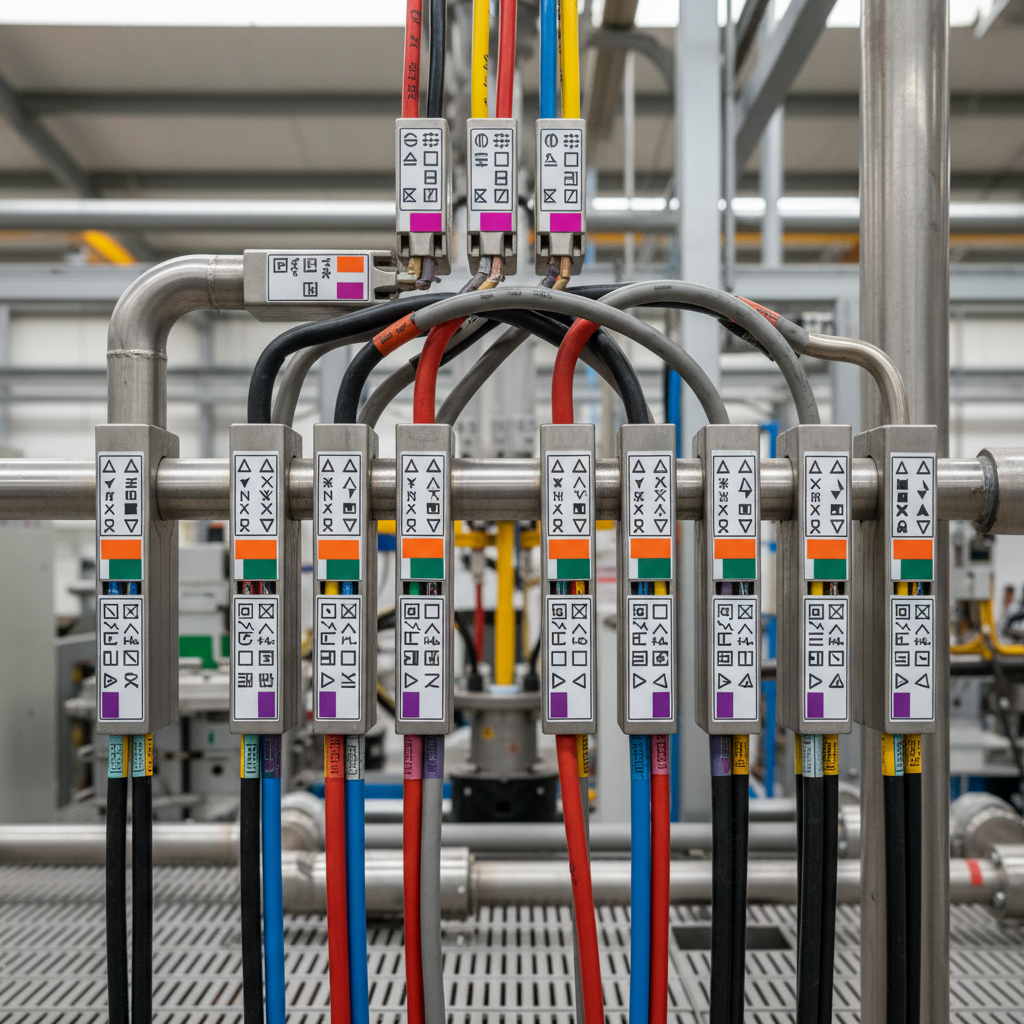
In Australian industrial settings, what you can't see can often hurt your budget, your timeline, or even your team's safety. For operations, facilities, and asset managers, the spaghetti junction of unidentifiable cables and pipes is a common, yet entirely avoidable, headache. It's not just about neatness; it's about efficiency, safety, and compliance.
This article dives into why high-quality cable and pipe identification labels are not just a 'nice-to-have' but a fundamental requirement for electrical contractors and the facilities they serve across Australia. We'll explore how proper labelling saves time, reduces risk, and improves your bottom line.
Why Effective Labelling is Non-Negotiable for Electrical Systems
Imagine a critical system failure. Your electrician is on site, but instead of diagnosing the issue, they're spending precious hours tracing unidentified wires or guessing which pipe leads where. This scenario is all too common in facilities without robust identification systems. For operations managers, this translates directly into costly downtime, missed production targets, and frustrated teams.
Effective labelling isn't merely an administrative task; it's a strategic investment in operational continuity and safety. Clear, durable labels mean faster fault finding, more efficient maintenance, and a significantly reduced risk of human error when working with live electrical components or critical fluid lines. This directly impacts your facility's productivity and bottom line.
Ensuring Safety and Compliance in Australian Workplaces
Australia has stringent workplace health and safety (WHS) regulations. Unidentified cables and pipes pose significant risks, from accidental contact with live wires to incorrect valve operation leading to hazardous spills or equipment damage. Proper labelling is a cornerstone of a safe work environment.
Beyond general WHS, specific Australian Standards and industry best practices often mandate clear identification. For instance, AS/NZS 3000 (the Wiring Rules) and various pipeline marking standards require systems to be clearly identifiable. Investing in compliant labels isn't just about avoiding penalties; it's about cultivating a culture of safety that protects your most valuable assets: your people and your equipment.
The Core Benefits of Robust Cable Identification Labels
When every cable is clearly marked, the benefits ripple across your entire operation. For electrical contractors, it streamlines their work, leading to higher quality installations and easier troubleshooting. For you, the asset manager, it means greater control, transparency, and longevity for your electrical infrastructure.
Consider the lifecycle of an electrical installation: from initial wiring to routine maintenance, upgrades, and eventual decommissioning. Each stage is made simpler, safer, and more cost-effective when cable runs are clearly identifiable from day one. This proactive approach prevents future headaches and ensures your systems remain manageable.
Streamlined Maintenance and Faster Troubleshooting
When an electrician can immediately identify the function and destination of every cable, diagnostic times plummet. No more guesswork, no more tracing wires through conduits and walls. This translates directly into reduced labour costs for repairs and maintenance, as technicians spend less time searching and more time fixing.
For facilities and asset managers, this means less downtime for critical equipment and smoother preventative maintenance schedules. Being able to quickly isolate circuits or identify faulty connections without extensive investigation keeps your operations running efficiently and minimises disruptions to your business.
Preventing Errors and Enhancing Longevity
Incorrectly disconnecting a cable can have catastrophic consequences, from damaging expensive equipment to causing power outages or even serious injury. Clear identification significantly reduces the likelihood of such errors. Labels act as a crucial visual guide, ensuring that only the intended circuits or components are worked on.
Furthermore, well-organised and clearly labelled cabling suffers less stress and wear over time, as technicians are less likely to pull or manipulate bundles unnecessarily. This extends the lifespan of your electrical infrastructure, delaying costly replacements and upgrades.
The Advantages of Clear Pipe Identification Labels
Electrical contractors often work alongside or integrate with piping systems, whether for cooling, hydraulic power, or other industrial processes. Just like cables, pipes carrying different substances (water, gas, chemicals, air) must be clearly identified to prevent confusion and ensure safety. This is particularly crucial in multi-purpose facilities or complex industrial plants.
Effective pipe labelling isn't just about distinguishing one pipe from another; it's about conveying vital information at a glance. What's inside? What's the flow direction? Is it under pressure? These are questions that clear labels answer immediately, preventing hazardous misidentification and enabling rapid response in an emergency.
Improving Workplace Safety and Emergency Response
Imagine a leak or burst pipe in a factory. First responders or maintenance staff need to instantly know what substance is flowing through that pipe, its potential hazards, and how to isolate it. Clearly marked pipes, following Australian colour-coding and labelling standards (e.g., AS 1345), provide this critical information immediately.
This visual communication is paramount for preventing exposure to dangerous chemicals, avoiding cross-contamination, and enabling a swift and safe emergency response. For asset managers, this proactive safety measure protects both personnel and the environment, mitigating risks and potential liabilities.
Facilitating System Understanding and Future Expansion
Well-labelled piping systems are far easier to understand, even for new staff or external contractors. This knowledge transfer is invaluable, reducing training time and improving the overall efficiency of your workforce. It also simplifies future modifications, expansions, or upgrades to your facility's infrastructure.
When a system is clearly documented through durable labels, planning for changes becomes more straightforward, reducing the likelihood of costly errors during design or installation. This foresight ensures your facility can adapt and grow without legacy identification issues holding you back.
Choosing the Right Labels: Durability and Legibility Are Key
Not all labels are created equal. In the demanding environments of Australian industry – exposed to heat, cold, chemicals, UV, and abrasion – standard office labels simply won't cut it. For operations and asset managers, specifying the right type of label for electrical contractors to use is crucial for long-term reliability and compliance.
Investing in industrial-grade labels might seem like a small upfront cost, but it pays dividends by ensuring the information remains legible and intact for the entire lifecycle of your assets. Cheap labels that fade or peel within months create more problems than they solve, necessitating costly re-labelling.
Material Matters: Withstanding Harsh Australian Conditions
For electrical cables, self-laminating vinyl or heat-shrink sleeve labels offer excellent protection against moisture, oils, and abrasion. For pipes, durable vinyl wraps or robust stainless steel tags can withstand extreme temperatures, chemicals, and UV exposure. Considerations like adhesive strength for different surfaces are also vital.
Always look for labels specifically designed for industrial applications. Our Australian climate, with its intense UV radiation and temperature fluctuations, demands materials engineered to resist fading, cracking, and peeling. A quality label will remain clear and attached for years, not just weeks.
Ensuring Legibility and Compliance with Standards
Beyond material, the quality of the print and the design of the label are equally important. Labels should be easy to read, with clear fonts and high-contrast colours. Consider incorporating QR codes or barcodes for linking to digital asset management systems, enhancing data accessibility.
For pipe identification, adhere to Australian Standard AS 1345-1995, 'Identification of the Contents of Pipes, Conduits and Ducts', which specifies colour coding, text, and direction of flow arrows. For electrical, ensure labels meet any relevant AS/NZS standards regarding safety signage and identification.
Implementation Best Practices for Lasting Identification
Even the best labels are ineffective if they're not applied correctly or consistently. For operations and asset managers, establishing clear guidelines for electrical contractors regarding label application is essential. This ensures uniformity across your site and maximises the longevity and effectiveness of your identification system.
Think of it as setting a standard for all future work. By providing clear instructions and potentially even supplying the approved labels, you empower contractors to deliver work that aligns with your facility's long-term operational and safety goals.
Developing a Standardised Labelling Protocol
Work with your electrical contractors to establish a clear, site-specific labelling protocol. This should cover:
- What to label: Every cable, conduit, junction box, switch, pipe, valve, and piece of equipment.
- What information to include: Circuit numbers, panel designations, cable destination, pipe contents, flow direction, voltage, date of installation, unique asset ID, etc.
- Where to place labels: At both ends of cables/pipes, at intervals along long runs, at entry/exit points, and near critical components.
- How to apply labels: Clean surface, firm pressure, correct orientation, no air bubbles.
- Which label types to use: Specify approved materials and sizes for different applications.
Consistency is key. A uniform system ensures that anyone working on your site can quickly understand the labelling scheme, regardless of when or by whom the work was performed.
Regular Audits and Updates
An identification system is not a 'set and forget' solution. Over time, systems change, cables are added or removed, and labels can degrade or get damaged. Schedule regular audits of your labelling system as part of your preventative maintenance routine. Check for:
- Faded or peeling labels.
- Missing labels.
- Incorrectly applied labels.
- Discrepancies between physical labels and documentation.
Make sure that any new installations or modifications by electrical contractors include the application of new, compliant labels. This continuous improvement approach ensures your identification system remains accurate, effective, and compliant for the long haul.
Key Takeaways for Asset & Facilities Managers
- Safety First: Proper labelling drastically reduces risks, preventing accidents and ensuring WHS compliance for electrical and piping systems.
- Boost Efficiency: Speeds up fault finding, maintenance, and system diagnostics, saving valuable time and labour costs.
- Extend Asset Life: Reduces human error and unnecessary manipulation, contributing to the longevity of your infrastructure.
- Compliance & Standards: Meets Australian Standards (e.g., AS/NZS 3000, AS 1345) and industry best practices.
- Invest in Quality: Choose durable, industrial-grade labels designed to withstand harsh Australian conditions.
- Standardise & Audit: Implement a clear labelling protocol and conduct regular checks to maintain system accuracy and integrity.
For Australian operations, facilities, and asset managers, the message is clear: robust cable and pipe identification is a fundamental component of a safe, efficient, and compliant industrial facility. It's an investment that pays continuous dividends in reduced downtime, enhanced safety, and greater operational control.
Partnering with electrical contractors who understand and implement high-quality, compliant labelling practices is essential. Ensure your facility isn't just wired, but intelligently identified, for a safer and more productive future.
Need labels for your assets?
Design online and we'll print, cut and ship from Australia.
Design a label